
3R Raymond Mill for Grinding Aluminum Hydroxide Powder
We provide a wide range of mills — including Raymond mill, trapezoidal mill, vertical mill, ultrafine mill, and ball mill, obtained ISO9001 international quality certification, EU CE certification, and Customs Union CU-TR certification. Suitable for processing minerals such as limestone, phosphate, quicklime, kaolin, talc, barite, bentonite, calcium carbonate, dolomite, coal, gypsum, clay, carbon black, slag, cement raw materials, cement clinker, and more.
The discharge range of these mills can be adjusted to meet specific processing needs, typically from 80-400 mesh, 600-3250 mesh, and can achieve the finest particle size of up to 6000 mesh(D50).
If you are looking for a reliable grinding solution to turn stone or minerals into fine powder, please feel free to contact our online customer service.
Precision Grinding Solutions for Aluminum Hydroxide Processing
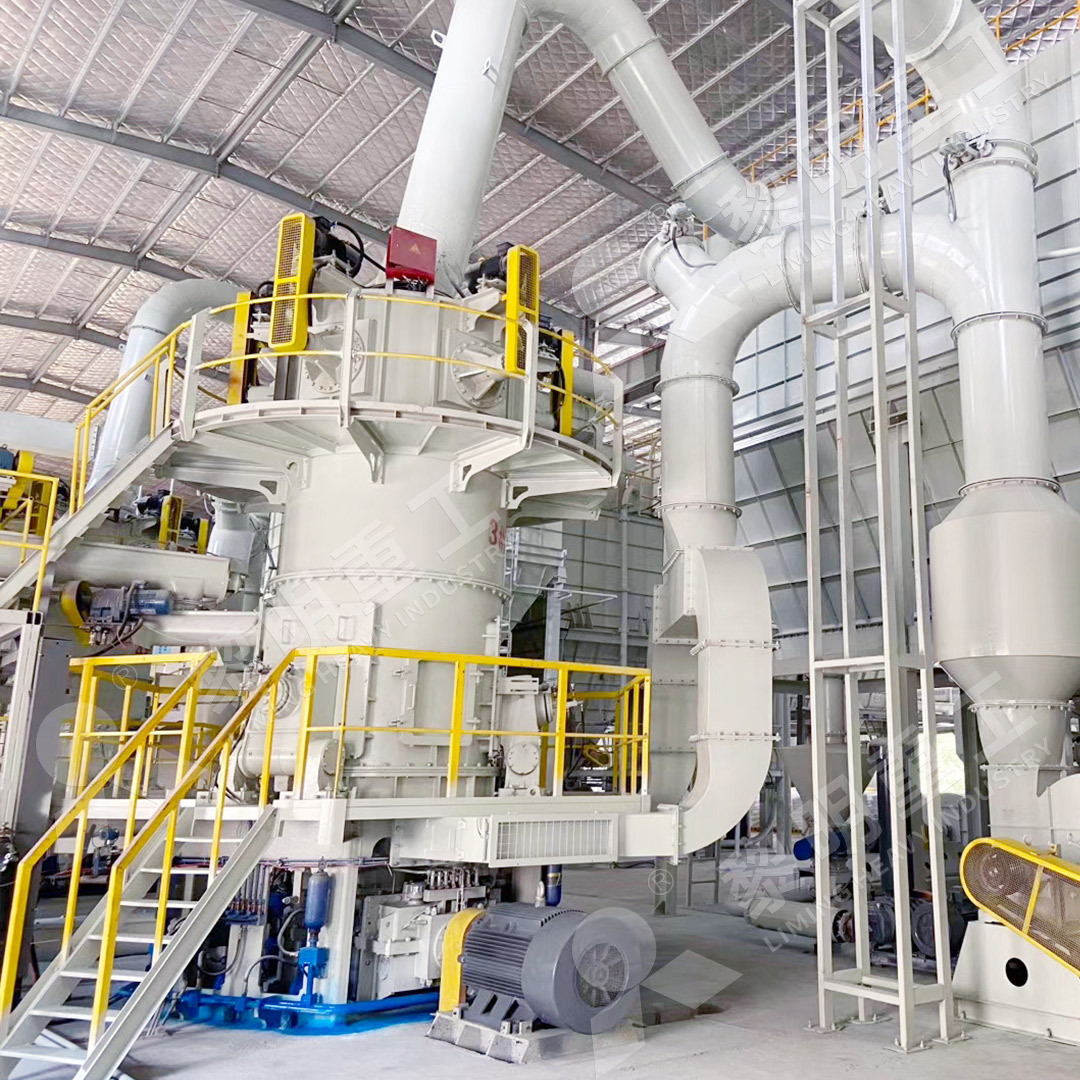
Aluminum hydroxide powder represents one of the most challenging materials in industrial mineral processing. With its unique physical and chemical properties, this essential industrial compound demands specialized grinding equipment capable of delivering precise particle size distribution while maintaining product purity and operational efficiency. The 3R Raymond Mill has emerged as a proven solution for aluminum hydroxide grinding applications, offering manufacturers reliable performance and consistent output quality.
Understanding Aluminum Hydroxide Grinding Challenges
Aluminum hydroxide (Al(OH)₃) presents several distinctive processing challenges that require careful equipment selection. The material’s moderate hardness (2.5-3.5 on Mohs scale) combined with its tendency to absorb moisture necessitates grinding systems that can maintain consistent performance without compromising product integrity. Traditional grinding approaches often struggle with heat generation, which can lead to partial dehydration and product degradation. The 3R Raymond Mill addresses these concerns through its advanced grinding chamber design and efficient air classification system.
Processing aluminum hydroxide requires maintaining strict control over particle size distribution, as this directly impacts the material’s performance in downstream applications. Whether used as a flame retardant in plastics, a filler in rubber compounds, or a raw material for aluminum production, the consistency of the ground powder is paramount. The 3R Raymond Mill’s precision classification system ensures that manufacturers can achieve the desired fineness with minimal oversize or undersize particles.
Technical Advantages of 3R Raymond Mill for Aluminum Hydroxide
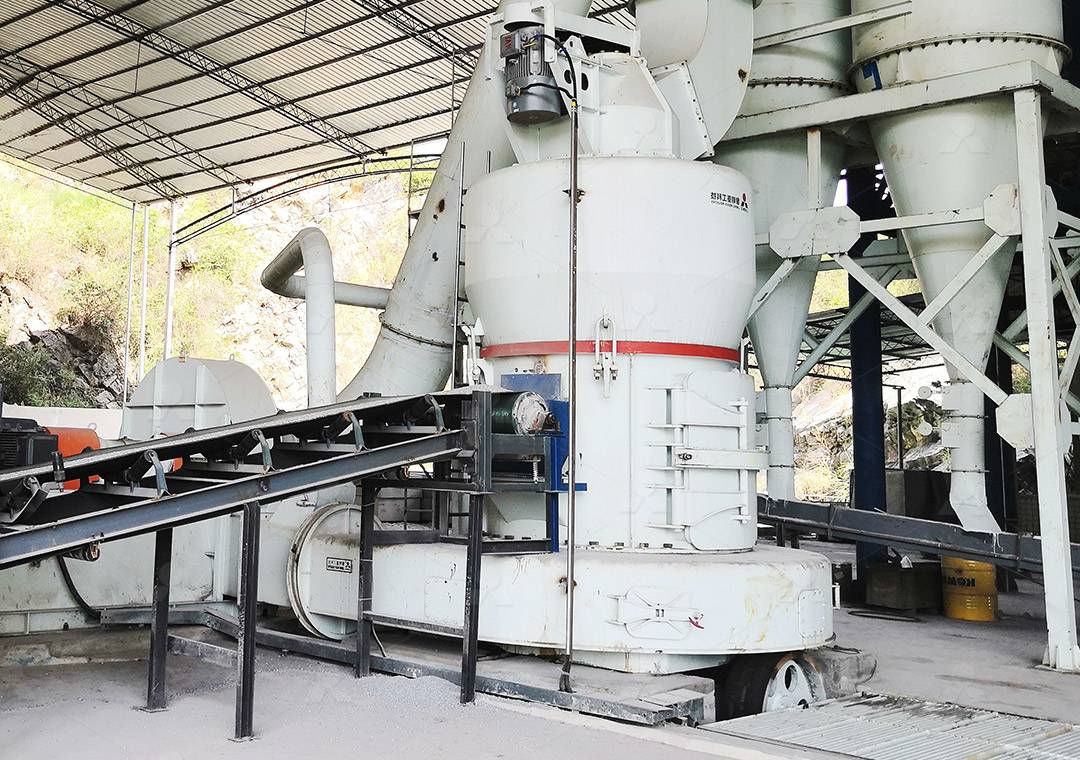
The 3R Raymond Mill configuration incorporates three grinding rollers that apply centrifugal force against a stationary grinding ring, creating a highly efficient grinding zone. This design provides several distinct advantages for aluminum hydroxide processing:
- Consistent Particle Size Distribution: The integrated classifier allows real-time adjustment of product fineness, typically ranging from 80 to 325 mesh, with tight control over the particle size distribution curve.
- Thermal Management: The mill’s airflow system effectively manages process temperatures, preventing thermal degradation of the aluminum hydroxide during grinding operations.
- Contamination Control: With proper material selection for grinding components, the system minimizes iron contamination, preserving the chemical purity of the final product.
- Operational Efficiency: The 3R configuration provides optimal grinding pressure distribution, resulting in higher throughput rates with lower specific energy consumption compared to conventional grinding systems.
Advanced Alternatives for Specialized Applications
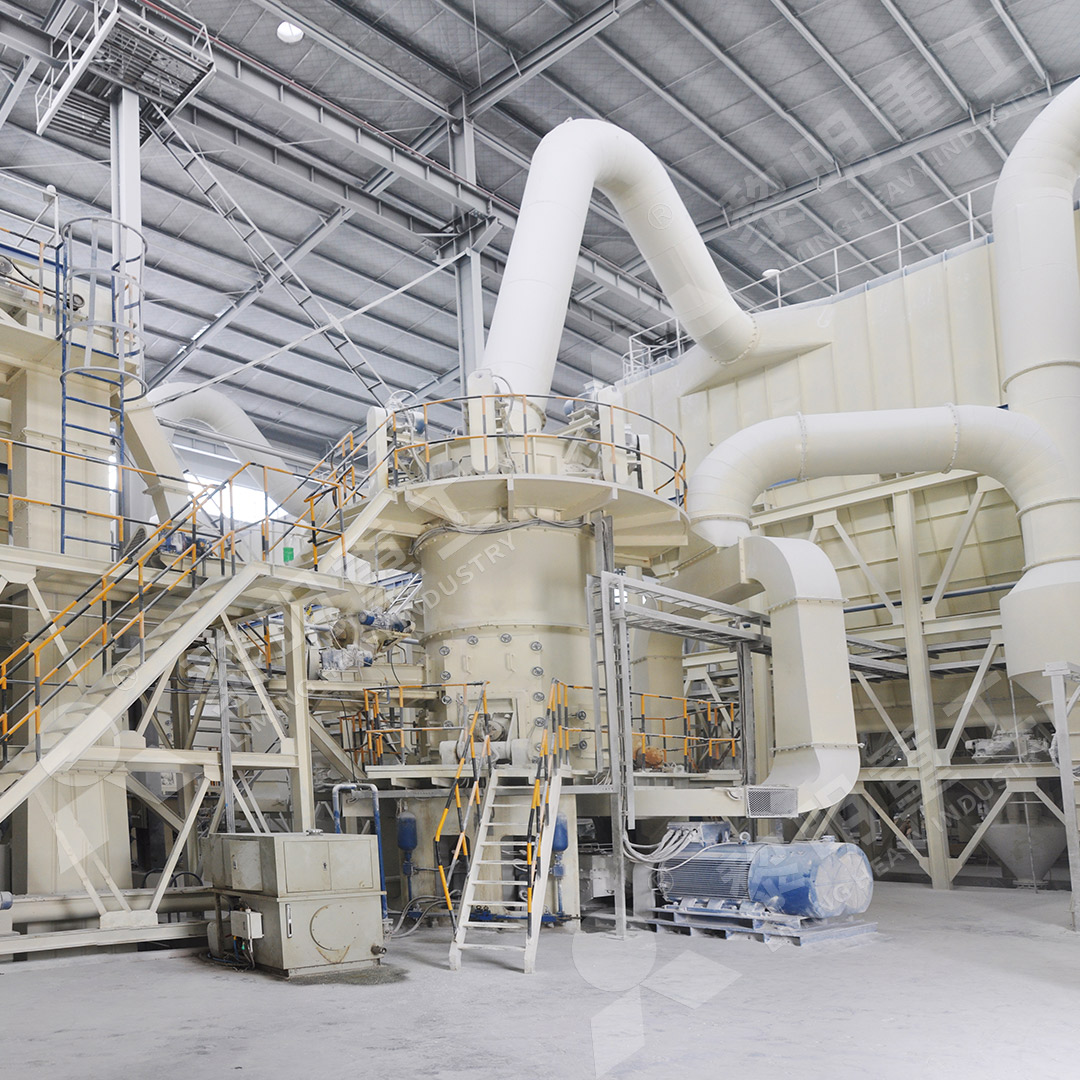
While the 3R Raymond Mill serves as an excellent solution for many aluminum hydroxide grinding applications, operations requiring ultra-fine powders or higher production capacities may benefit from considering more advanced milling technologies. For these demanding applications, we recommend evaluating our MW Ultrafine Grinding Mill, which represents the next generation in fine powder processing technology.
The MW Ultrafine Grinding Mill offers several technological advancements particularly suited to aluminum hydroxide processing. With an input size capability of 0-20 mm and capacity ranging from 0.5 to 25 tph, this system provides exceptional flexibility for operations of varying scales. The mill’s innovative design eliminates rolling bearings and screws within the grinding chamber, significantly reducing maintenance concerns and potential contamination sources.
What truly distinguishes the MW Ultrafine Grinding Mill for aluminum hydroxide applications is its ability to produce powders in the 325-2500 mesh range while maintaining excellent product characteristics. The German-designed cage-type powder selector ensures precise classification, achieving screening rates of d97≤5μm in a single pass. This level of precision is particularly valuable for aluminum hydroxide used in pharmaceutical or high-performance polymer applications where particle size directly influences product performance.
Operational Considerations and Best Practices
Successful aluminum hydroxide grinding operations require attention to several critical parameters. Moisture content management is essential, as excessive moisture can lead to clogging and reduced grinding efficiency. Most operations maintain feed moisture below 2-3% for optimal performance. The abrasiveness of aluminum hydroxide, while moderate, still necessitates regular inspection of grinding components to maintain product consistency and operational efficiency.
For operations requiring the ultimate in precision grinding, our LUM Ultrafine Vertical Grinding Mill presents another compelling option. With input size capability of 0-10 mm and capacity ranging from 5-18 tph, this system incorporates the latest grinding roller technology from Taiwan and German powder separating technology. The LUM mill’s unique roller shell and lining plate grinding curve design promotes stable material layer formation, enabling high rates of finished product yield in a single pass while enhancing the whiteness and cleanliness of the final aluminum hydroxide powder.

Environmental and Economic Benefits
Modern grinding systems must address both operational efficiency and environmental responsibility. The 3R Raymond Mill, along with our advanced MW and LUM grinding systems, incorporates efficient pulse dust collection and noise reduction technologies that minimize environmental impact. The closed-system design prevents dust emissions while the efficient classification system reduces energy consumption by minimizing recirculation of already-sized material.
From an economic perspective, the higher grinding efficiency and reduced maintenance requirements of these systems translate to significantly lower operating costs. The MW Ultrafine Grinding Mill, for instance, demonstrates energy consumption reductions of up to 30% compared to conventional jet mills while delivering 40% higher production capacity. These efficiency gains, combined with reduced downtime for maintenance, provide compelling economic advantages for aluminum hydroxide processors.
Future Trends in Aluminum Hydroxide Processing
The aluminum hydroxide market continues to evolve, with increasing demands for specialized grades with specific particle characteristics. The trend toward narrower particle size distributions and controlled particle morphology requires grinding systems with enhanced classification capabilities and precise process control. Modern grinding systems like the MW Ultrafine Grinding Mill address these requirements through advanced control systems that allow operators to fine-tune grinding parameters in response to changing feed characteristics or product specifications.
As sustainability concerns grow within the industry, energy efficiency and environmental performance will continue to drive innovation in grinding technology. The latest generation of grinding mills incorporates features that not only reduce energy consumption but also minimize the environmental footprint through reduced emissions and noise levels. These advancements ensure that aluminum hydroxide processors can meet both their production goals and their environmental responsibilities.
Conclusion
The 3R Raymond Mill remains a reliable and efficient solution for aluminum hydroxide grinding applications, particularly for operations requiring products in the 80-325 mesh range. For more demanding applications requiring ultra-fine powders or higher production capacities, our MW Ultrafine Grinding Mill and LUM Ultrafine Vertical Grinding Mill offer advanced technological solutions with superior efficiency and precision. By selecting the appropriate grinding technology and implementing proper operational practices, aluminum hydroxide processors can achieve optimal product quality while maximizing operational efficiency and minimizing environmental impact.
Frequently Asked Questions
What is the maximum production capacity of the 3R Raymond Mill for aluminum hydroxide grinding?
The 3R Raymond Mill typically processes 0.6-5 tph of aluminum hydroxide powder, depending on the desired fineness and specific characteristics of the feed material. Operations requiring higher capacities should consider our MW Ultrafine Grinding Mill, which offers capacities up to 25 tph.
How does the MW Ultrafine Grinding Mill achieve such fine particle sizes?
The MW mill incorporates a German-designed cage-type powder selector that provides extremely precise classification. Combined with optimized grinding curves of the grinding roller and ring, this system can achieve fineness between 325-2500 meshes with screening rates of d97≤5μm in a single pass.
What measures are taken to prevent contamination of aluminum hydroxide during grinding?
Our grinding systems employ several contamination control strategies. The MW Ultrafine Grinding Mill eliminates rolling bearings and screws in the grinding chamber, while all systems use wear-resistant materials specifically selected to minimize iron introduction. Proper maintenance protocols further ensure product purity.
Can these grinding systems handle variations in feed moisture content?
While our grinding systems can accommodate some moisture variation, optimal performance for aluminum hydroxide grinding typically requires feed moisture below 2-3%. Operations with higher moisture feeds may require pre-drying systems to maintain grinding efficiency and product quality.
What is the typical energy consumption for aluminum hydroxide grinding?
Energy consumption varies based on the desired fineness and specific system configuration. The MW Ultrafine Grinding Mill typically consumes approximately 30% less energy than conventional jet mills while delivering 40% higher production capacity for equivalent product fineness.
How does the LUM Ultrafine Vertical Grinding Mill improve product whiteness?
The LUM mill’s unique grinding curve design promotes stable material layer formation and reduces material retention time, minimizing repeated grinding that can generate heat and affect product color. This results in improved whiteness and cleanliness of the final aluminum hydroxide powder.
What maintenance requirements should operators anticipate?
Our grinding systems are designed for minimal maintenance. The MW Ultrafine Grinding Mill features external lubrication that allows continuous 24-hour operation, while the absence of internal bearings and screws eliminates common failure points. Regular inspection of grinding components and classifier elements is recommended based on operating hours and material characteristics.