
3R Raymond Mill: A Comprehensive Guide to Features and Applications
We provide a wide range of mills — including Raymond mill, trapezoidal mill, vertical mill, ultrafine mill, and ball mill, obtained ISO9001 international quality certification, EU CE certification, and Customs Union CU-TR certification. Suitable for processing minerals such as limestone, phosphate, quicklime, kaolin, talc, barite, bentonite, calcium carbonate, dolomite, coal, gypsum, clay, carbon black, slag, cement raw materials, cement clinker, and more.
The discharge range of these mills can be adjusted to meet specific processing needs, typically from 80-400 mesh, 600-3250 mesh, and can achieve the finest particle size of up to 6000 mesh(D50).
If you are looking for a reliable grinding solution to turn stone or minerals into fine powder, please feel free to contact our online customer service.
3R Raymond Mill: A Comprehensive Guide to Features and Applications
For over a century, the Raymond Mill has stood as a cornerstone of industrial grinding. Its robust design and reliable performance have made it a staple in processing a wide array of materials. The “3R” designation refers to the configuration of three grinding rollers, a classic setup that balances power, efficiency, and fineness control. This guide delves into the core features, operational principles, and diverse applications of the 3R Raymond Mill, while also exploring how modern innovations have built upon this foundational technology.
Core Working Principle and Design
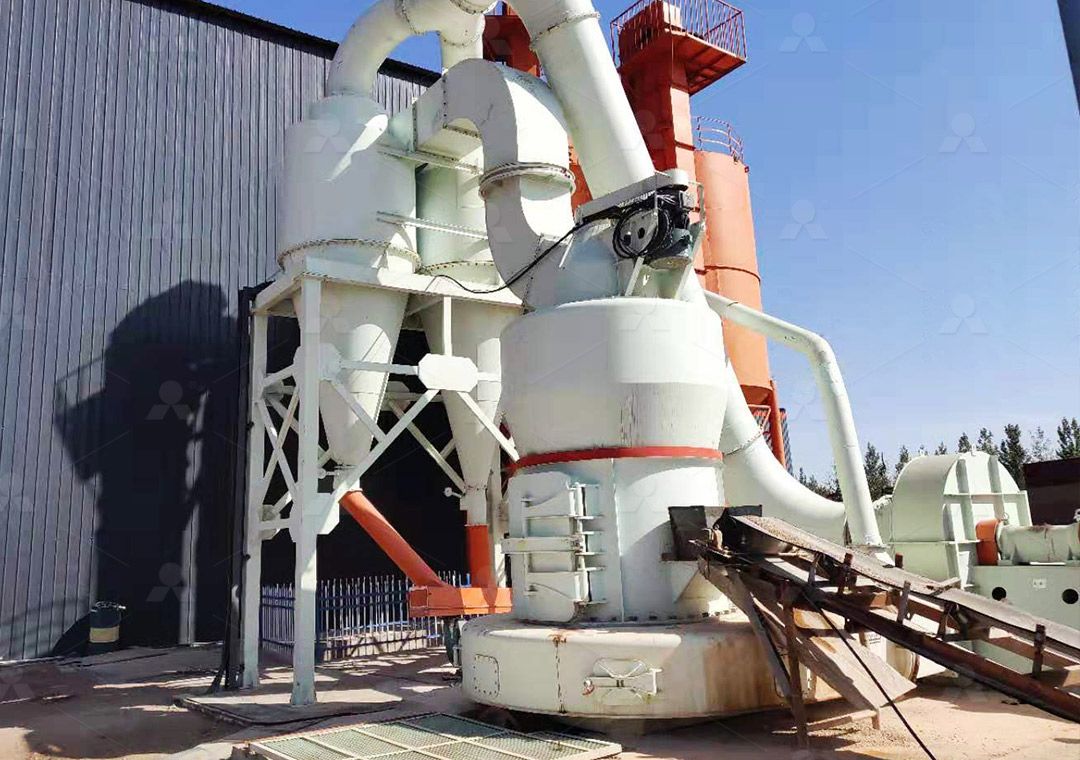
At its heart, the 3R Raymond Mill operates on a centrifugal grinding principle. The system begins with jaw-crushed material fed into the grinding chamber via a vibrating feeder. A centrally rotating shaft, driven by an external motor and reducer, causes the suspended grinding rollers to swing outward due to centrifugal force, pressing against a stationary grinding ring. The material is scooped by a shovel blade and fed between the rollers and the ring, where it is pulverized.
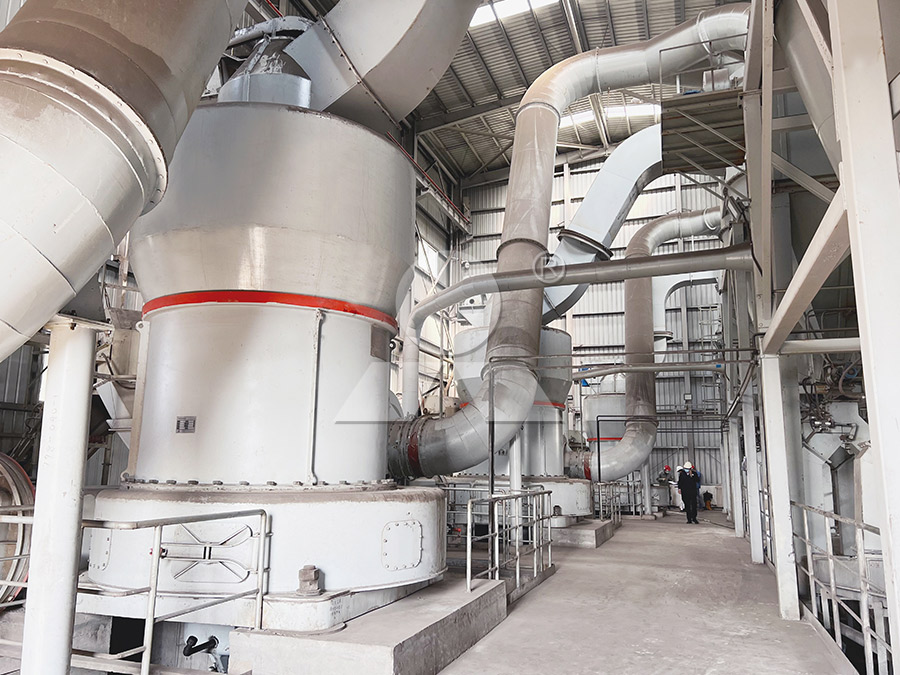
The ground powder is then carried by an air stream generated by a blower up into an integrated classifier. Here, the coarse particles are rejected and fall back for regrinding, while the fine product passes through. The final product is collected in a cyclone separator or a baghouse dust collector, ensuring a clean, closed-circuit operation with minimal dust emission.
Key Features and Advantages
The enduring popularity of the 3R Raymond Mill stems from several key characteristics:
- Compact Structure & Lower Investment: Its vertical design occupies a relatively small footprint compared to ball mills, reducing infrastructure costs.
- Stable Performance & Reliable Operation: The mechanical design is simple and proven, leading to high operational reliability and ease of maintenance.
- Adjustable Fineness: By adjusting the speed of the classifier, the fineness of the final product can be controlled within a certain range, typically from 80 to 325 mesh.
- Wide Applicability: It is suitable for grinding non-flammable and non-explosive materials with Mohs hardness below 7 and humidity less than 6%.
Primary Applications
The versatility of the 3R Raymond Mill makes it a workhorse across multiple sectors. Common applications include:
- Mining and Minerals: Grinding barite, calcite, potash feldspar, talc, marble, limestone, dolomite, fluorite, lime, activated clay, activated carbon, bentonite, kaolin, cement, phosphate rock, gypsum, glass, and insulation materials.
- Chemical Industry: Processing various chemicals and raw materials for paint, pigments, and coatings.
- Construction Materials: Fine grinding for cement raw meal and clinker (in smaller capacities), and other building material powders.
While the classic 3R Raymond Mill excels in these areas, demands for higher capacity, finer powders, and greater energy efficiency have driven significant technological evolution.
Evolution and Modern Alternatives
The fundamental principles of the Raymond Mill have been refined and enhanced in newer generations of grinding equipment. For operations requiring ultra-fine powders (325-2500 mesh) with higher yield and lower energy consumption, modern vertical roller mills and ultrafine grinding systems offer compelling advantages.
For instance, our MW Ultrafine Grinding Mill represents a significant leap forward. It is engineered for customers dedicated to producing ultra-fine powder. A standout feature is its cage-type powder selector employing German technology, which allows precise fineness adjustment between 325 and 2500 meshes, achieving a remarkable d97≤5μm in a single pass. Its design eliminates rolling bearings and screws in the grinding chamber, drastically reducing maintenance worries and enabling 24/7 continuous operation. Furthermore, with a capacity range of 0.5-25 tph and a 40% higher yield compared to jet mills at the same power, it delivers both performance and efficiency for demanding applications in chemicals, cosmetics, and advanced materials.
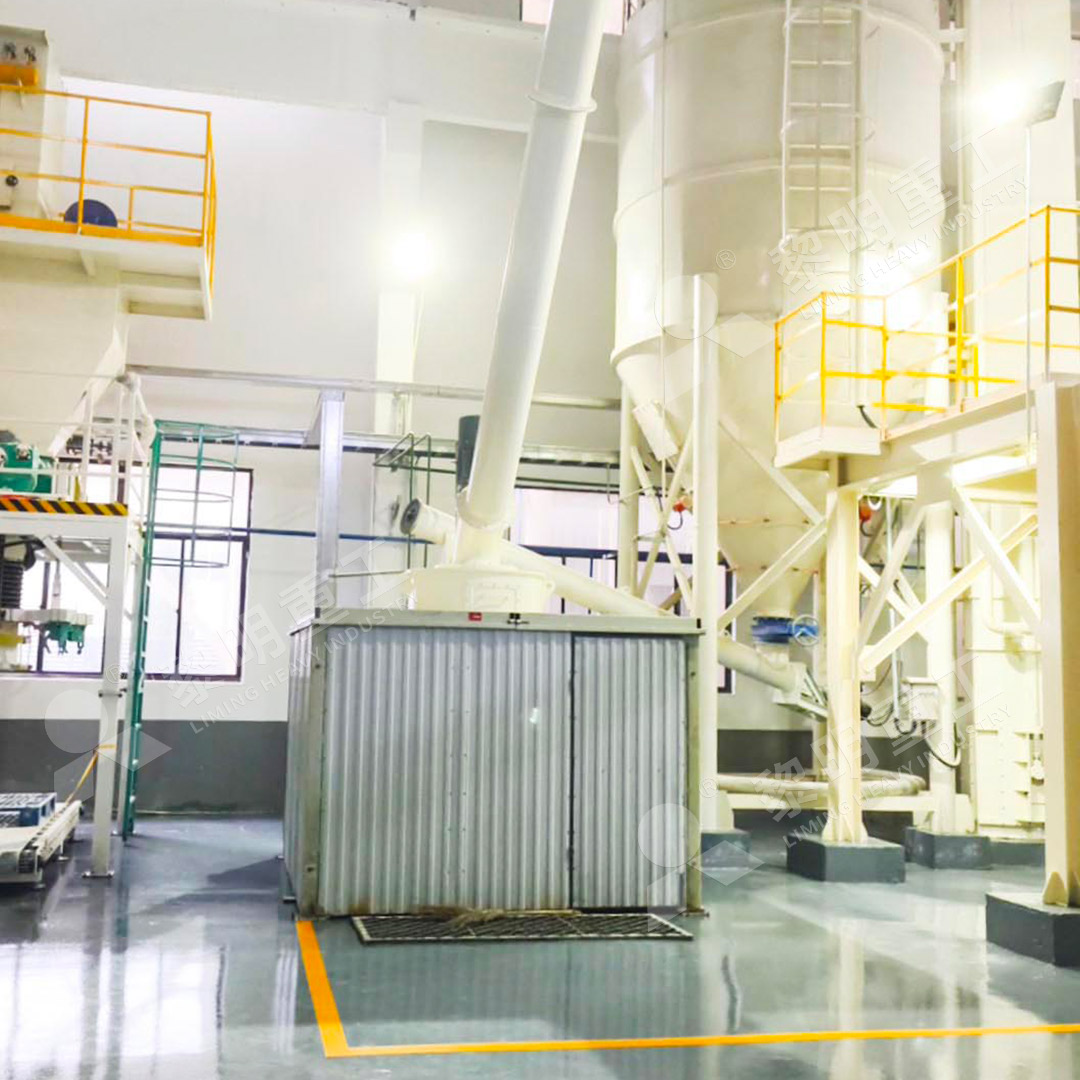
Similarly, for high-volume processing of non-metallic minerals and industrial by-products like slag or coal, our LM Vertical Grinding Mill series integrates crushing, drying, grinding, and classifying into a single unit. This not only reduces the overall footprint by 50% but also saves 30%-40% in energy consumption compared to traditional ball mills. Its stable, negative-pressure operation ensures an environmentally friendly process with minimal dust and noise.
Conclusion
The 3R Raymond Mill remains a reliable and cost-effective solution for many medium-fine grinding tasks. Understanding its features and applications is crucial for selecting the right equipment. However, the landscape of size reduction technology continues to advance. When your project demands higher precision, superior fineness, greater throughput, or enhanced energy savings, exploring modern successors like the MW Ultrafine Grinding Mill or the LM Vertical Mill series can unlock new levels of productivity and product quality. The right choice depends on your specific material, target fineness, and production goals.
Frequently Asked Questions (FAQ)
- What is the main difference between a 3R, 4R, and 5R Raymond Mill?
The number (3R, 4R, 5R) indicates the quantity of grinding rollers. More rollers generally mean a larger grinding surface area, leading to higher capacity and the ability to handle slightly harder materials, but also a larger equipment size and higher power consumption. - What is the maximum feed size for a standard 3R Raymond Mill?
Typically, the feed material should be crushed to below 25mm (approximately 1 inch) for optimal performance and to prevent excessive wear on the grinding components. - Can a Raymond Mill handle moist materials?
Traditional Raymond Mills are designed for grinding dry materials with moisture content ideally below 6%. For materials with higher moisture, a dryer may need to be integrated before the mill, or a mill with integrated drying capabilities (like an LM Vertical Mill) should be considered. - How is the fineness of the product controlled?
Fineness is primarily controlled by adjusting the speed of the built-in classifier or separator. A higher rotor speed allows only finer particles to pass, resulting in a finer product. - What are the most common wear parts in a Raymond Mill?
The key wear parts are the grinding rollers and the grinding ring (also called the bull ring). These are typically made from high manganese steel or other wear-resistant alloys and require periodic inspection and replacement. - Is the Raymond Mill a closed-circuit or open-circuit system?
Modern Raymond Mill systems operate in a closed circuit. The air flow recirculates, and the classifier ensures oversized particles are returned for regrinding, improving efficiency and product uniformity. - When should I consider an Ultrafine Grinding Mill over a traditional Raymond Mill?
Choose an Ultrafine Grinding Mill (like the MW series) when your target product fineness exceeds 400 mesh, you require very narrow particle size distribution, or you need higher energy efficiency for fine grinding applications. It’s designed for the next level of powder precision.