
3500 Mesh Limestone Grinding Mill: Price, Process, and Equipment Selection
We provide a wide range of mills — including Raymond mill, trapezoidal mill, vertical mill, ultrafine mill, and ball mill, obtained ISO9001 international quality certification, EU CE certification, and Customs Union CU-TR certification. Suitable for processing minerals such as limestone, phosphate, quicklime, kaolin, talc, barite, bentonite, calcium carbonate, dolomite, coal, gypsum, clay, carbon black, slag, cement raw materials, cement clinker, and more.
The discharge range of these mills can be adjusted to meet specific processing needs, typically from 80-400 mesh, 600-3250 mesh, and can achieve the finest particle size of up to 6000 mesh(D50).
If you are looking for a reliable grinding solution to turn stone or minerals into fine powder, please feel free to contact our online customer service.
3500 Mesh Limestone Grinding Mill: Price, Process, and Equipment Selection
Grinding limestone to ultra-fine powders like 3500 mesh (approximately 5 microns) is a demanding industrial process that requires specialized equipment. The selection of the right grinding mill is paramount to achieving the desired product quality, operational efficiency, and cost-effectiveness. This article delves into the key considerations for processing 3500 mesh limestone, including the technological process, equipment selection, and associated costs.
The Challenge of Ultra-Fine Grinding
Achieving a consistent 3500 mesh product requires more than just a standard pulverizer. The process demands mills capable of intense mechanical force, precise particle classification, and efficient drying (if necessary). Key challenges include managing heat generation, avoiding contamination, and ensuring energy efficiency despite the high energy input required for such fine comminution.
The Grinding Process: A Brief Overview
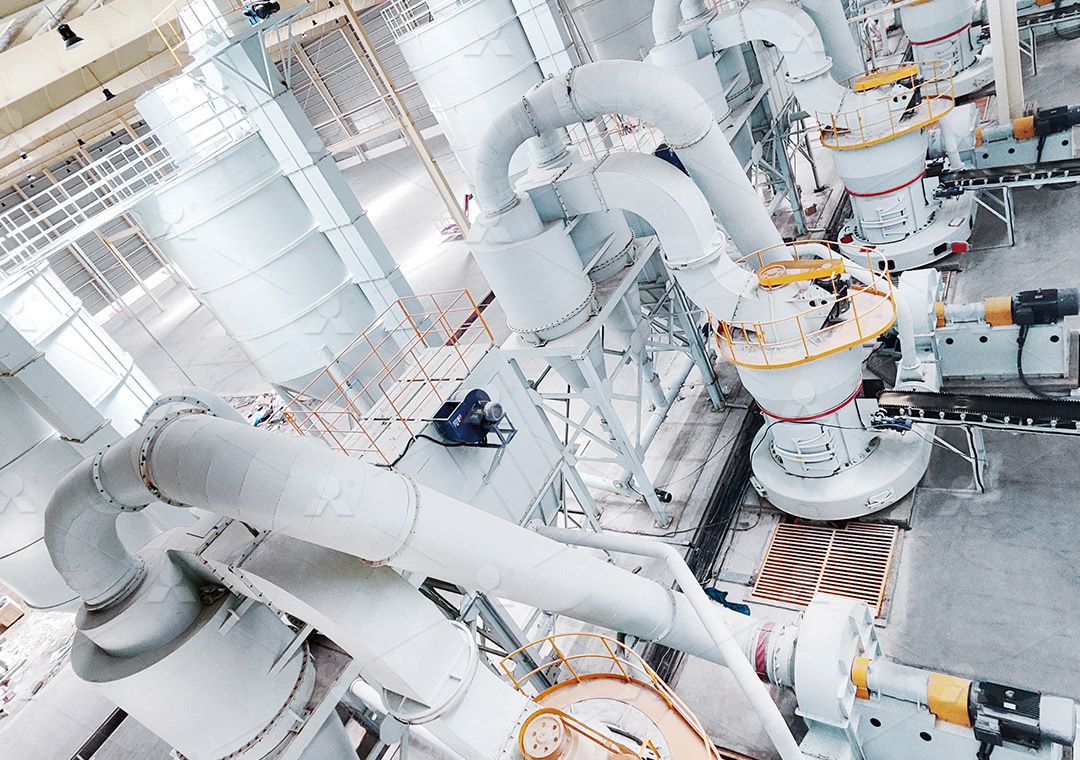
The process typically begins with primary crushing of raw limestone to a manageable size (e.g., 0-20mm). This material is then fed into the grinding mill. Inside the mill, rollers or other grinding elements apply extreme pressure to crush and abrade the particles. The finely ground powder is carried by an air stream to an integrated, high-precision classifier. This separator ensures only particles meeting the 3500 mesh specification pass through to the product collection system (e.g., cyclones and bag filters), while oversize material is recirculated back to the grinding zone for further processing.
Critical Equipment Selection Factors
Choosing the wrong mill can lead to excessive energy bills, high maintenance downtime, and an inability to reach the target fineness. Here’s what to evaluate:
- Grinding Efficiency & Energy Consumption: This is the most significant operational cost. Look for mills designed for ultra-fine applications with proven lower kWh/t energy consumption.
- Classifier Technology: The heart of any ultra-fine mill. The classifier must offer precise cut-point control and high efficiency to ensure a sharp particle size distribution at 3500 mesh.
- Wear Resistance: Limestone is abrasive. Grinding rollers, rings, and liners must be made from high-quality, wear-resistant materials to extend service life and prevent metallic contamination.
- System Design: A well-designed system includes efficient dust collection, noise reduction, and automation for stable, continuous operation with minimal manual intervention.
Recommended Mill for 3500 Mesh Limestone: MW Ultrafine Grinding Mill
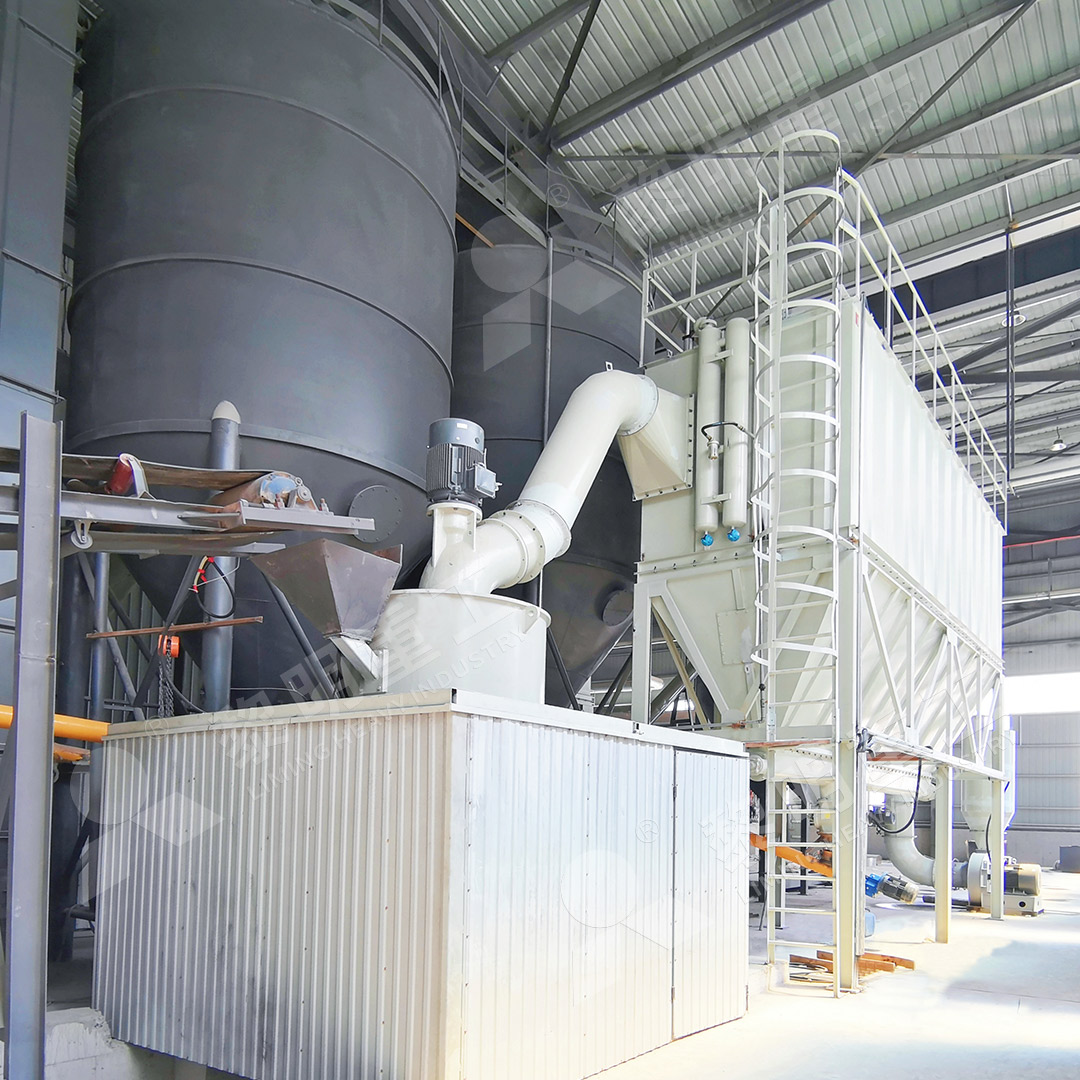
For projects demanding 3500 mesh limestone powder, our MW Ultrafine Grinding Mill is an exceptional choice. Engineered specifically for customers needing to make ultra-fine powder, it excels in this demanding application.
Here’s why the MW Series stands out:
- Precise Fineness Control: Its advanced cage-type powder selector, incorporating German technology, allows for precise adjustment of fineness between 325-2500 meshes, effortlessly achieving the 3500 mesh (d97≤5μm) target in a single pass.
- Higher Yield, Lower Energy: The newly designed grinding curves enhance efficiency, offering production capacity 40% higher than jet mills and twice that of ball mills, while reducing system energy consumption by up to 30%.
- Reliable & Maintenance-Friendly: A key design advantage is the absence of rolling bearings and screws in the grinding chamber. This eliminates common failure points and prevents machine damage from loose screws. External lubrication allows for 24/7 continuous operation.
- Eco-Friendly Operation: Equipped with an efficient pulse dust collector and muffler, the entire system operates cleanly with no dust pollution and reduced noise, fully complying with national environmental standards.
With an input size of 0-20 mm and a capacity range of 0.5-25 tph, the MW Mill provides the flexibility and power needed for various production scales.
Considering a Vertical Mill Option: LUM Ultrafine Vertical Grinding Mill
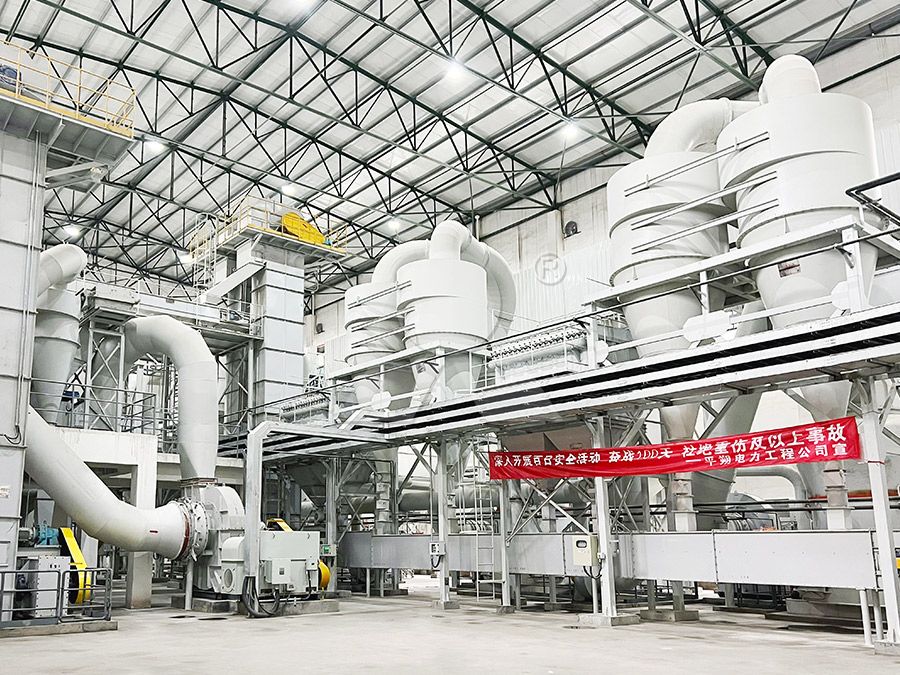
For certain operational layouts, a vertical mill configuration might be preferable. Our LUM Ultrafine Vertical Grinding Mill is another top-tier option for producing high-quality limestone powder. It integrates grinding, classifying, and transporting with a smaller footprint. Its multi-head powder separating technology and PLC control system allow for accurate control over fineness and high energy savings, reducing consumption by 30%-50% compared to conventional mills. The reversible structure also makes maintenance tasks like roller checking and replacement remarkably easier.
Understanding the Investment
The price for a complete 3500 mesh limestone grinding line is influenced by the mill model, required capacity, and the selection of auxiliary equipment (crushers, feeders, dust collectors). While the initial investment in advanced technology like the MW or LUM series is significant, it is quickly offset by substantially lower operating costs, higher product quality, and reduced downtime. For an accurate quotation tailored to your specific project capacity and requirements, it is best to consult directly with our engineering team.
Conclusion
Selecting the right equipment is the foundation for successfully producing 3500 mesh limestone powder. Prioritizing energy efficiency, classification accuracy, and operational reliability will ensure long-term profitability. Our MW Ultrafine Grinding Mill, with its targeted design for ultra-fine powder production, represents a robust and efficient solution to meet this challenging specification. We recommend contacting our technical experts to discuss your project and determine the optimal configuration for your needs.