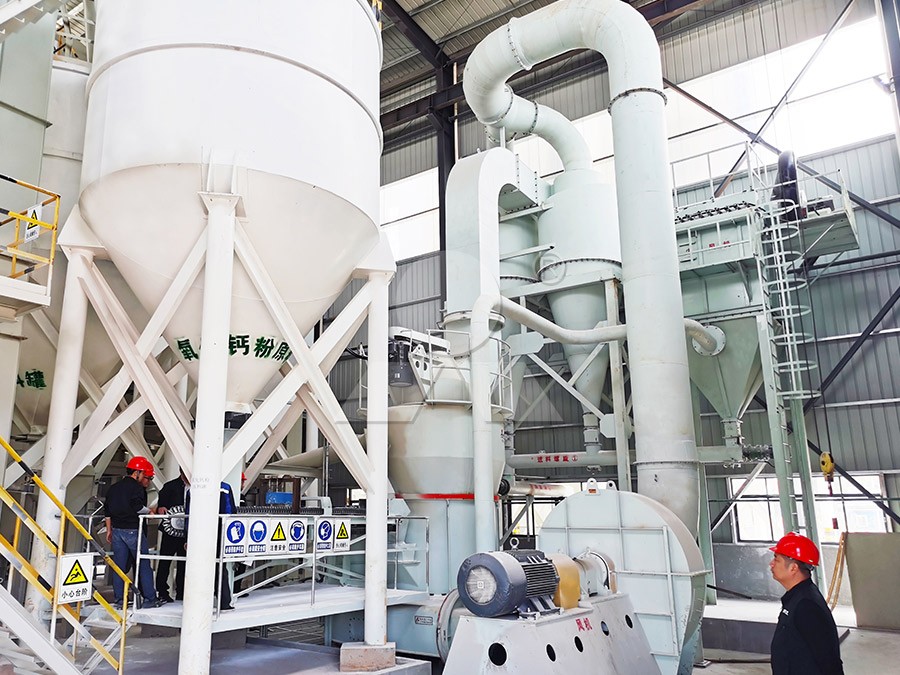
325-Mesh Medium-Speed Coal Mill: Output Capacity and Factors Affecting Performance
We provide a wide range of mills — including Raymond mill, trapezoidal mill, vertical mill, ultrafine mill, and ball mill, obtained ISO9001 international quality certification, EU CE certification, and Customs Union CU-TR certification. Suitable for processing minerals such as limestone, phosphate, quicklime, kaolin, talc, barite, bentonite, calcium carbonate, dolomite, coal, gypsum, clay, carbon black, slag, cement raw materials, cement clinker, and more.
The discharge range of these mills can be adjusted to meet specific processing needs, typically from 80-400 mesh, 600-3250 mesh, and can achieve the finest particle size of up to 6000 mesh(D50).
If you are looking for a reliable grinding solution to turn stone or minerals into fine powder, please feel free to contact our online customer service.
325-Mesh Medium-Speed Coal Mill: Output Capacity and Factors Affecting Performance
In the power generation and industrial processing sectors, the 325-mesh medium-speed coal mill is a workhorse for pulverizing coal to the fine consistancy required for efficient combustion. Achieving and maintaining the desired output capacity, typically measured in tons per hour (tph), is critical for operational efficiency and cost-effectiveness. However, this capacity is not a fixed value; it is influenced by a multitude of interelated factors.
Key Factors Influencing Mill Performance
Understanding these variables is the first step toward optimizing your grinding circuit.
1. Coal Feed Properties
The characteristics of the raw coal feed are paramount. Hardness and grindability (often measured by the Hardgrove Grindability Index or HGI) directly impact grinding efficiency. A lower HGI coal is harder to grind, consuming more power and reducing throughput. Moisture content is another critical factor. High moisture can lead to clogging, reduced feed rates, and increased energy consumption for drying within the mill. The feed size distribution also matters; a consistently sized feed within the mill’s design specification (e.g., 0-50mm) ensures stable operation, whereas oversized lumps can cause vibration and reduce capacity.
2. Mill Operational Parameters
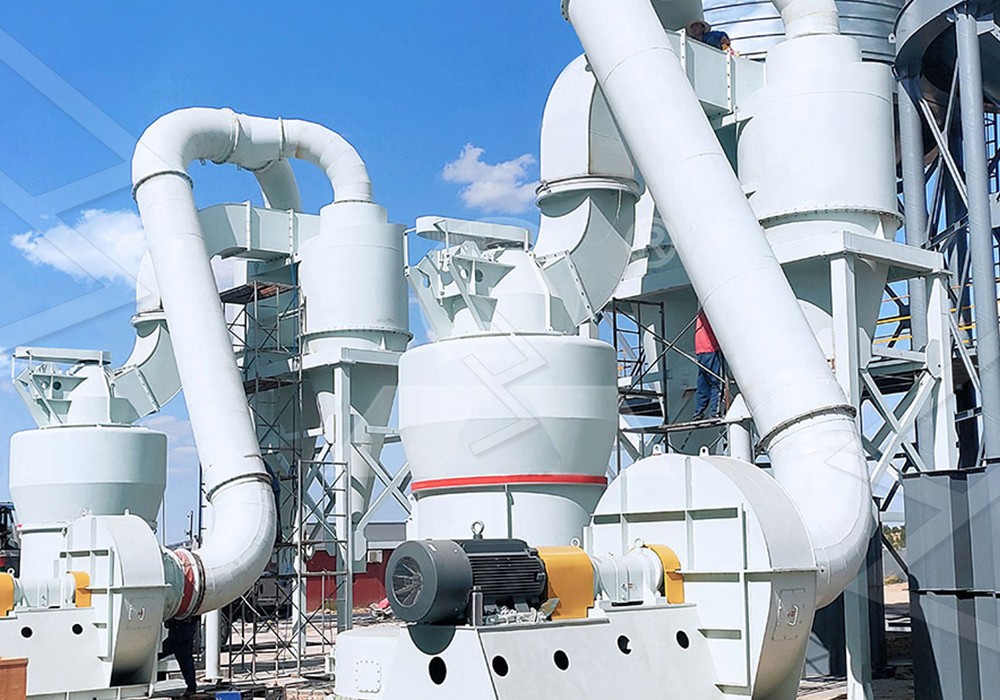
How the mill is run significantly affects its output. The grinding pressure applied by the rollers must be optimized. Too little pressure results in coarse product and poor efficiency, while excessive pressure increases wear and vibration. The classifier speed determines the final product fineness. A higher rotor speed yields a finer product (e.g., 2500 mesh) but reduces capacity, while a lower speed allows for higher throughput of a coarser product. Maintaining a stable and adequate primary air flow is essential for drying the coal, transporting the pulverized fuel to the burners, and preventing mill fires.
3. Mechanical Condition and Wear
Over time, grinding components like rollers, tires, and classifier blades wear down. Worn parts cannot effectively grind and classify the coal, leading to a drop in output capacity and a shift in product fineness. A regular maintenance schedule for inspecting and replacing wear parts is non-negotiable for sustained performance.
Enhancing Performance with Advanced Technology
While traditional medium-speed mills are effective, newer technologies offer significant advantages in efficiency, control, and environmental compliance. For operations looking to upgrade their grinding circuit or achieve ultra-fine powders beyond 325 mesh, our MW Ultrafine Grinding Mill presents a superior solution.
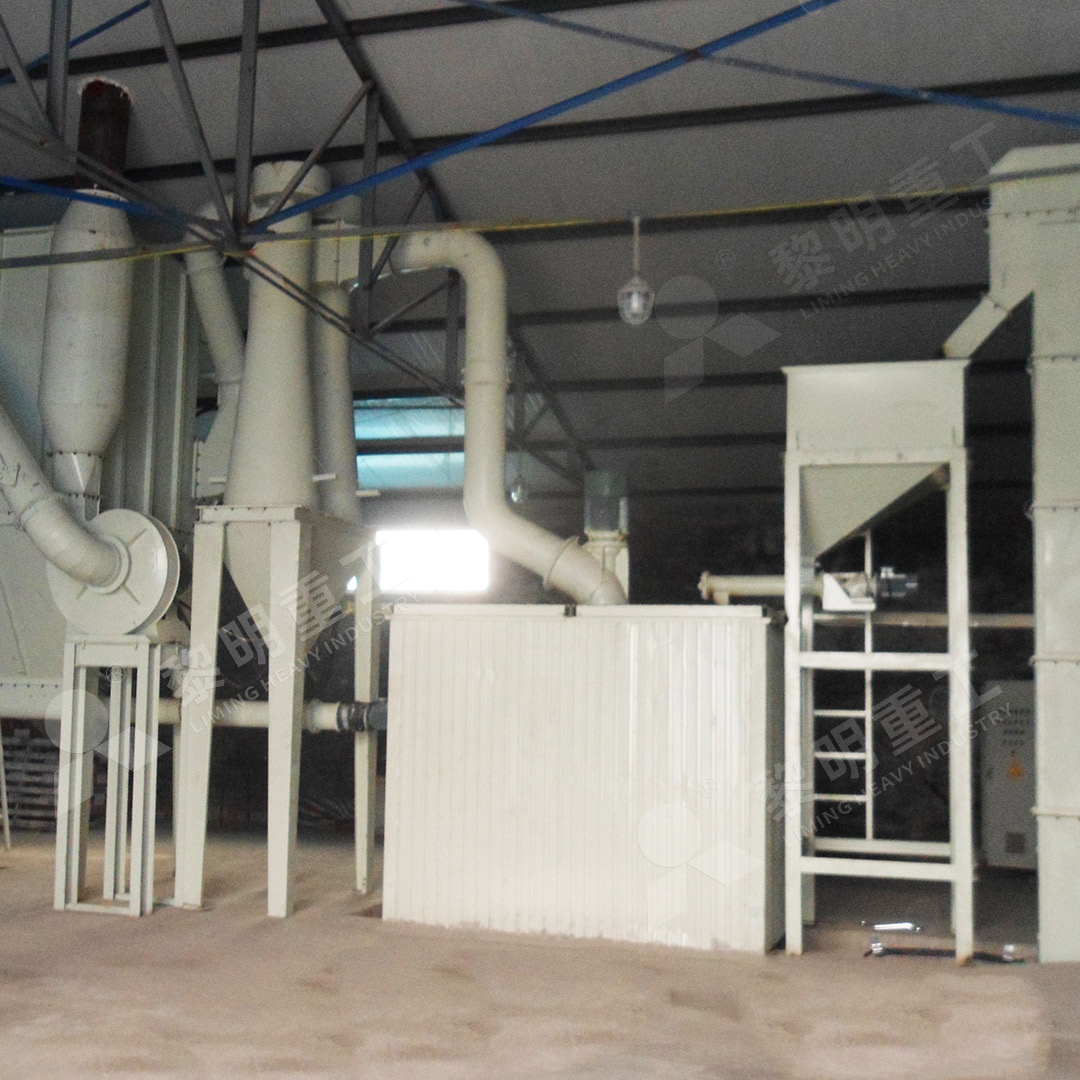
This mill is engineered for customers requiring ultra-fine powder between 325-2500 meshes. Its cage-type powder selector, incorporating German technology, ensures precise separation and a consistently high-quality product. A key feature is the absence of rolling bearings and screws in the grinding chamber, eliminating common failure points and concerns about loose parts causing damage. Furthermore, its efficient pulse dust collector and muffler system ensure the entire production process is environmentally friendly, with minimal dust and noise pollution. With a capacity range of 0.5-25 tph and significantly higher efficiency compared to jet or ball mills, the MW series is an ideal choice for modern, high-demand applications.
Conclusion
Maximizing the output capacity of a 325-mesh medium-speed coal mill requires a holistic approach. It involves careful control of feed stock properties, diligent optimization of operational parameters, and a proactive maintenance strategy. For those seeking to push the boundaries of fineness and efficiency, advanced solutions like our MW Ultrafine Grinding Mill provide the technology needed to stay competitive, offering higher yields, lower energy consumption, and a cleaner operation.