
325 Mesh Coal Mill for Lime Kiln: Key Features and Selection Guide
We provide a wide range of mills — including Raymond mill, trapezoidal mill, vertical mill, ultrafine mill, and ball mill, obtained ISO9001 international quality certification, EU CE certification, and Customs Union CU-TR certification. Suitable for processing minerals such as limestone, phosphate, quicklime, kaolin, talc, barite, bentonite, calcium carbonate, dolomite, coal, gypsum, clay, carbon black, slag, cement raw materials, cement clinker, and more.
The discharge range of these mills can be adjusted to meet specific processing needs, typically from 80-400 mesh, 600-3250 mesh, and can achieve the finest particle size of up to 6000 mesh(D50).
If you are looking for a reliable grinding solution to turn stone or minerals into fine powder, please feel free to contact our online customer service.
Introduction
Selecting the right coal grinding mill is a critical decision for lime kiln operators. The mill must produce a consistent, finely ground coal powder at 325 mesh to ensure efficient and stable combustion within the kiln. This fine particle size is essential for complete combustion, optimal heat transfer, and ultimately, the production of high-quality lime. The wrong equipment choice can lead to inefficient fuel usage, inconsistent kiln temperatures, and increased operational costs.
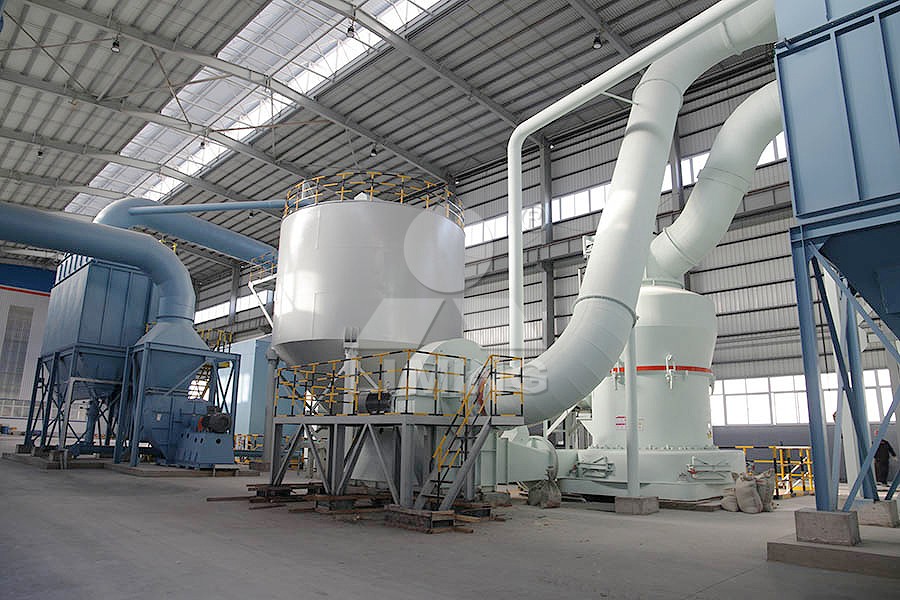
Key Features to Consider
When evaluating a 325 mesh coal mill, several non-negotiable features must be prioritized to ensure reliability and performance in a demanding lime production environment.
1. Precise Particle Size Control
The ability to consistently achieve and maintain a 325 mesh (approximately 45 microns) product is paramount. This requires an advanced, high-efficiency powder classifier or separator. Look for technology that offers precise adjustment capabilities to fine-tune the fineness without sacrificing throughput.
2. Robust & Low-Maintenance Design
Coal is an abrasive material. The grinding chamber’s design should minimize the number of vulnerable parts subject to wear. A significant advantage is found in mills that eliminate rolling bearings and screws from the grinding zone entirely, preventing catastrophic failures and reducing downtime for maintenance.
3. Integrated Drying Capability
Coal feedstock often contains moisture. A mill with integrated drying functionality, using hot gases from the kiln or a separate heat source, is highly advantageous. This eliminates the need for a separate drying step, streamlining the process and reducing capital investment.
4. Environmental Compliance
Modern operations must adhere to strict environmental standards. The mill system should be a completely closed-circuit, negative-pressure design, equipped with an efficient pulse jet baghouse dust collector to ensure no dust escapes during operation. Low noise levels are also a key consideration.
5. Energy Efficiency
Grinding is an energy-intensive process. Selecting a mill designed for higher yield with lower specific energy consumption directly impacts the bottom line. Advanced grinding curves and efficient drive systems can reduce power consumption by 30-50% compared to older technologies like ball mills.
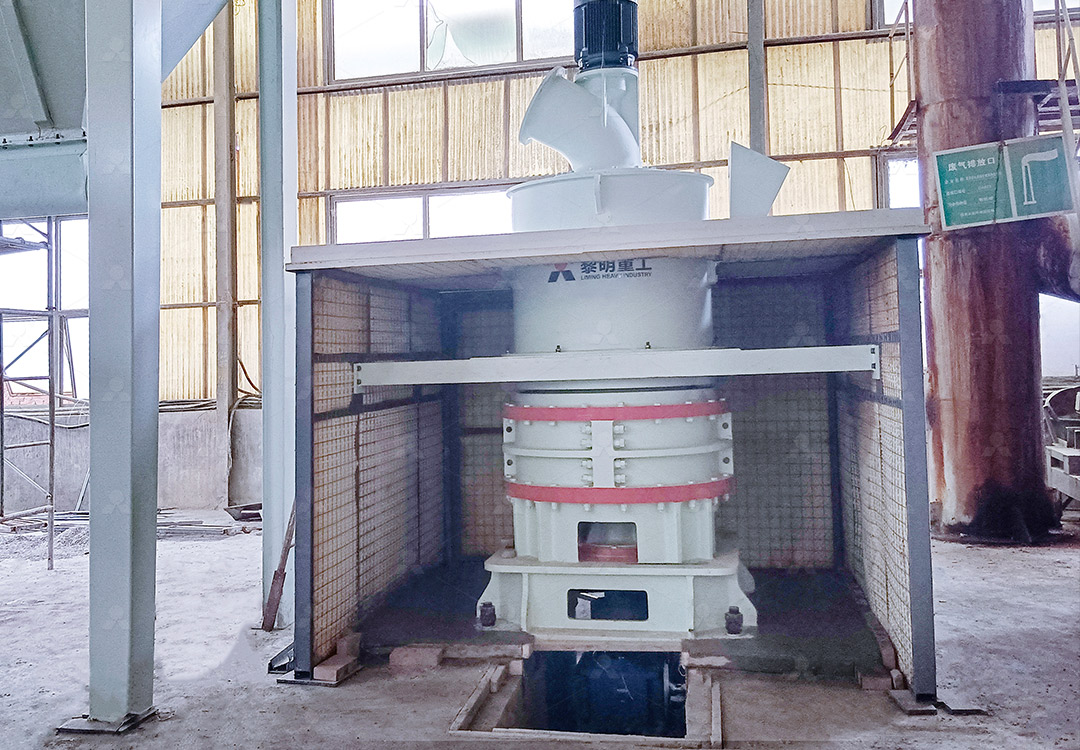
Product Recommendation: MW Ultrafine Grinding Mill
For lime kiln operations seeking a perfect balance of precision, reliability, and efficiency for producing 325 mesh coal powder, we highly recommend our MW Ultrafine Grinding Mill.
This mill is specifically engineered to overcome the challenges of fine powder production. Its standout feature is the German-origin cage-type powder selector, which provides exceptional precision, allowing you to accurately target a fineness between 325-2500 meshes. Crucially for lime kiln fuel preparation, it achieves a superb screening rate of d97≤5μm in a single pass.
From a maintenance perspective, the MW Series is ideal. Its groundbreaking design has no rolling bearings or screws in the grinding chamber, liberating operators from concerns about bearing seizure or damage from loose hardware. Furthermore, external lubrication allows for maintenance without shutdowns, supporting continuous 24/7 operation that is essential for lime production. With a capacity range of 0.5-25 tph and the ability to handle feed sizes up to 20mm, it is a robust and versatile solution for most lime plant requirements.
Selection Guide: Making the Right Choice
Choosing a mill extends beyond just specifications. Consider your entire operation:
- Capacity: Match the mill’s throughput (TPH) to your kiln’s coal consumption rate, allowing for some overhead.
- Feedstock Analysis: Understand the hardness, abrasiveness, and moisture content of your coal supply.
- Plant Layout: Consider the footprint of the entire system, including the mill, classifier, fan, and dust collector.
- Lifecycle Costs: Evaluate not only the purchase price but also expected energy consumption, wear part costs, and maintenance labor.
Frequently Asked Questions (FAQ)
Q: Why is 325 mesh the target fineness for lime kiln coal?
A: 325 mesh (~45μm) provides the optimal surface area to volume ratio for rapid and complete combustion. This ensures a stable, high-temperature flame within the kiln, which is critical for the calcination process and product quality. Coarser coal leads to inefficient burning and unburnt carbon, while finer powder can be difficult to handle and transport.
Q: How often does the MW Mill require maintenance on its grinding components?
A: The wear life of grinding rollers and rings depends heavily on the abrasiveness of the coal. However, due to the use of high-performance wear-resistant alloys and the optimized grinding curve, the service life is significantly extended. Routine inspection intervals are typically recommended every 800-1,000 operating hours.
Q: Can the MW Mill handle variations in coal moisture content?
A: Yes. The system can be integrated with a hot air source (often from the kiln cooler or a dedicated air heater). This hot air is introduced into the grinding chamber, simultaneously drying the coal and carrying the finished powder to the collector, making the mill effective for coals with moderate moisture content.
Q: What kind of dust collection system is required?
A> The MW Mill is typically paired with a high-efficiency pulse jet baghouse dust collector. This is not an optional accessory but a core component of the closed-circuit system. It ensures no dust pollution, recovers product, and allows for clean air exhaust, making the entire process environmentally compliant.