
325 Mesh Coal Grinding Mill Manufacturers for Efficient Pulverization
We provide a wide range of mills — including Raymond mill, trapezoidal mill, vertical mill, ultrafine mill, and ball mill, obtained ISO9001 international quality certification, EU CE certification, and Customs Union CU-TR certification. Suitable for processing minerals such as limestone, phosphate, quicklime, kaolin, talc, barite, bentonite, calcium carbonate, dolomite, coal, gypsum, clay, carbon black, slag, cement raw materials, cement clinker, and more.
The discharge range of these mills can be adjusted to meet specific processing needs, typically from 80-400 mesh, 600-3250 mesh, and can achieve the finest particle size of up to 6000 mesh(D50).
If you are looking for a reliable grinding solution to turn stone or minerals into fine powder, please feel free to contact our online customer service.
325 Mesh Coal Grinding Mill Manufacturers for Efficient Pulverization
In industrial operations requiring precise coal pulverization, achieving consistent 325 mesh fineness represents a critical benchmark for efficiency and performance. The selection of appropriate grinding equipment directly impacts productivity, energy consumption, and final product quality. For operations demanding ultra-fine coal powder with minimal environmental impact, advanced grinding technologies have emerged as game-changers in material processing.
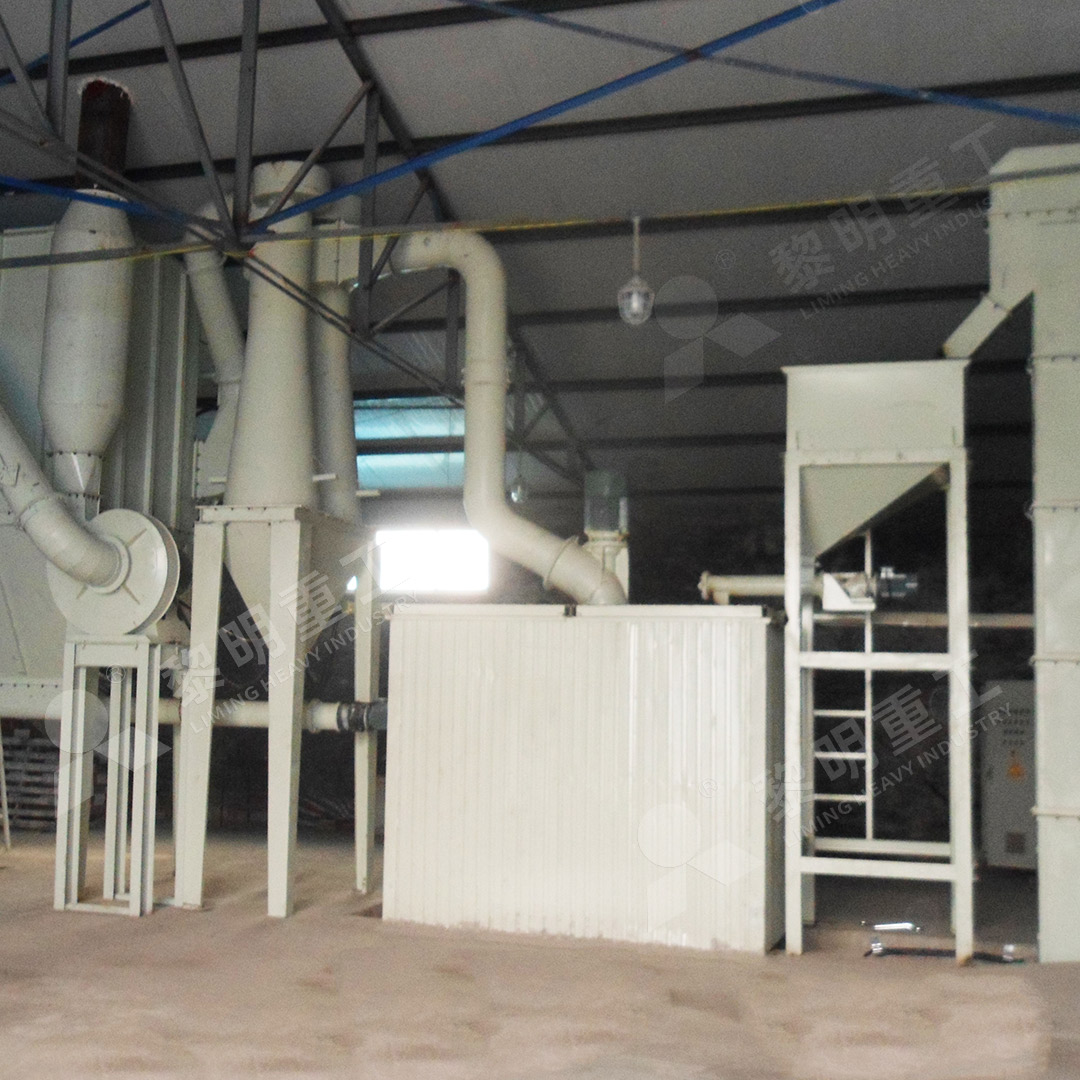
The transition from traditional ball mills to modern vertical grinding systems has revolutionized coal processing. Contemporary mills integrate multiple functions—crushing, drying, grinding, classifying, and conveying—into single, compact units that significantly reduce operational footprint while enhancing output quality. This integrated approach proves particularly valuable in coal processing facilities where space constraints and environmental regulations present constant challenges.
Technical Considerations for 325 Mesh Coal Grinding
When targeting 325 mesh (approximately 45μm) coal powder, several technical factors demand careful consideration. Grinding efficiency, energy consumption, wear resistance, and environmental compliance collectively determine the operational success of any pulverization system. The geometric configuration of grinding components, airflow dynamics, and separation technology all contribute to achieving the desired particle size distribution while maintaining economic viability.
Modern grinding systems address these challenges through innovative engineering solutions. Advanced powder separation technologies enable precise control over final product fineness, while optimized grinding curves maximize material throughput per energy unit consumed. The elimination of rolling bearings and screws within grinding chambers represents another significant advancement, reducing maintenance requirements and potential failure points.
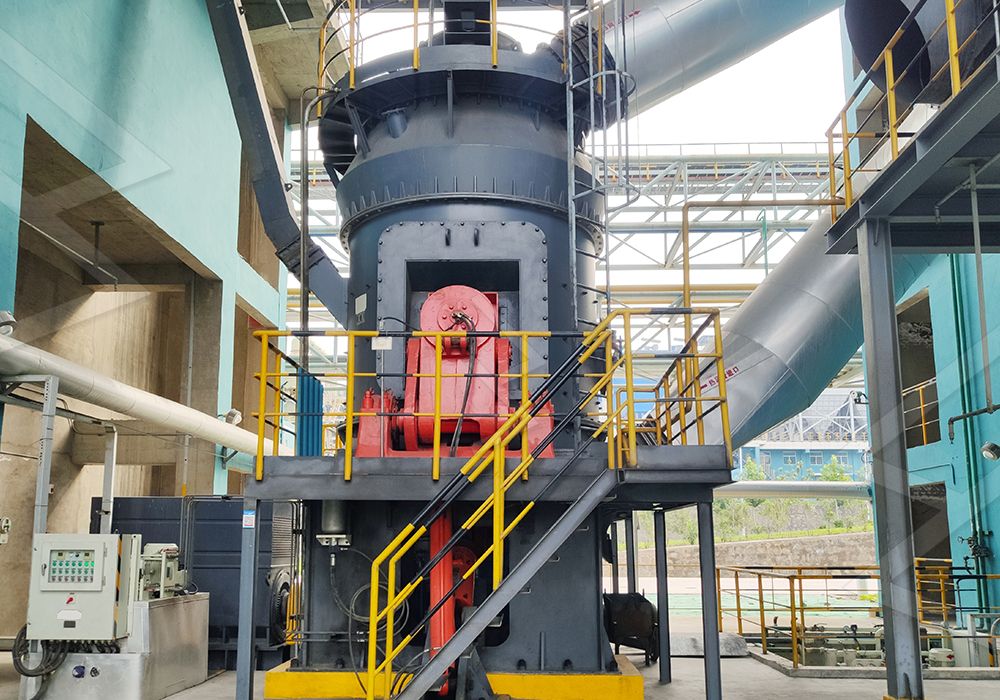
MW Ultrafine Grinding Mill: Engineered for Precision Coal Processing
For operations requiring exceptional control over coal powder fineness, the MW Ultrafine Grinding Mill stands out as a specialized solution. Designed specifically for customers needing to produce ultra-fine powder, this machine incorporates German cage-type powder selector technology that enables precise adjustment between 325-2500 meshes. With an input size capacity of 0-20 mm and throughput ranging from 0.5-25 tph, the MW series accommodates various production scales while maintaining consistent output quality.
The mill’s innovative design eliminates rolling bearings and screws within the grinding chamber, virtually eliminating concerns about bearing damage or loose screw-related failures. External lubrication systems permit maintenance without production stoppages, supporting continuous 24-hour operation—a crucial advantage for high-volume coal processing facilities. The integrated pulse dust collector and muffler system ensures compliance with environmental standards while protecting worker health and equipment longevity.
Comparative Advantages in Coal Grinding Applications
When evaluated against traditional grinding technologies, the MW Ultrafine Grinding Mill demonstrates remarkable performance metrics. Production capacity exceeds that of jet grinding mills and stirred grinding mills by approximately 40% at equivalent fineness and power consumption levels. Compared to conventional ball grinding mills, output doubles while system energy consumption drops to just 30% of jet mill requirements. These efficiency gains translate directly to reduced operational costs and improved return on investment.
The mill’s applications extend beyond coal to include petroleum coal, limestone, gypsum, and other industrial minerals, providing operational flexibility for facilities processing multiple materials. The digitalized processing ensures high machining precision, particularly for core components, while comprehensive spare parts support guarantees worry-free operation.
Environmental Compliance and Operational Safety
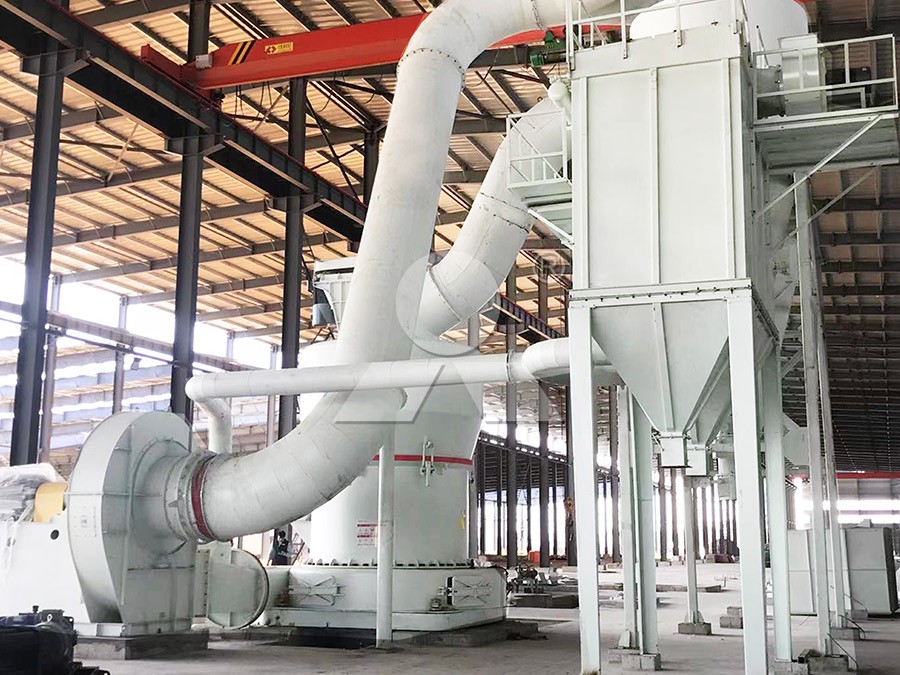
Contemporary coal grinding operations must address increasing environmental regulations and workplace safety standards. Modern grinding mills incorporate sophisticated dust collection systems that effectively contain particulate matter throughout the milling process. Negative pressure operation prevents dust escape, while noise reduction technologies maintain workplace decibel levels within acceptable limits. These features make advanced grinding systems suitable for installation in diverse industrial settings, including those with strict environmental requirements.
Frequently Asked Questions
What makes the MW Ultrafine Grinding Mill suitable for 325 mesh coal processing?
The MW series incorporates advanced German cage-type powder selector technology that enables precise fineness control between 325-2500 meshes. Its unique grinding chamber design without rolling bearings or screws enhances reliability while the efficient pulse dust collector ensures environmental compliance.
How does the energy consumption compare to traditional grinding mills?
The MW Ultrafine Grinding Mill reduces system energy consumption to approximately 30% of jet grinding mills while doubling the output of ball grinding mills. This efficiency stems from optimized grinding curves and advanced separation technology.
What maintenance advantages does this equipment offer?
With no rolling bearings or screws in the grinding chamber and external lubrication capability, the mill enables maintenance without production stoppages. The design minimizes wear part replacement frequency and simplifies servicing procedures.
Can the mill handle variations in coal quality and moisture content?
Yes, the integrated drying and grinding capabilities allow processing of coal with varying moisture levels. The adjustable grinding parameters accommodate different coal characteristics while maintaining consistent output quality.
What environmental features are incorporated?
The system includes efficient pulse dust collection, silencers, and noise elimination technology. Entire production processes comply with national environmental protection standards, making it suitable for environmentally sensitive locations.