
325 Mesh Coal Grinding Mill Manufacturer: Achieving Ultra-Fine Powder Efficiency
We provide a wide range of mills — including Raymond mill, trapezoidal mill, vertical mill, ultrafine mill, and ball mill, obtained ISO9001 international quality certification, EU CE certification, and Customs Union CU-TR certification. Suitable for processing minerals such as limestone, phosphate, quicklime, kaolin, talc, barite, bentonite, calcium carbonate, dolomite, coal, gypsum, clay, carbon black, slag, cement raw materials, cement clinker, and more.
The discharge range of these mills can be adjusted to meet specific processing needs, typically from 80-400 mesh, 600-3250 mesh, and can achieve the finest particle size of up to 6000 mesh(D50).
If you are looking for a reliable grinding solution to turn stone or minerals into fine powder, please feel free to contact our online customer service.
Mastering Fine Coal Grinding for Modern Industry
In today’s demanding industrial landscape, achieving consistent 325 mesh coal powder requires specialized grinding technology that balances precision, efficiency, and environmental responsibility. As manufacturing processes become more sophisticated, the need for reliable ultra-fine coal grinding solutions has never been greater.
The journey from raw coal to precisely graded powder involves complex engineering considerations. Equipment must handle varying material characteristics while maintaining strict output specifications. This is where advanced grinding technology makes the crucial difference between adequate and exceptional performance.
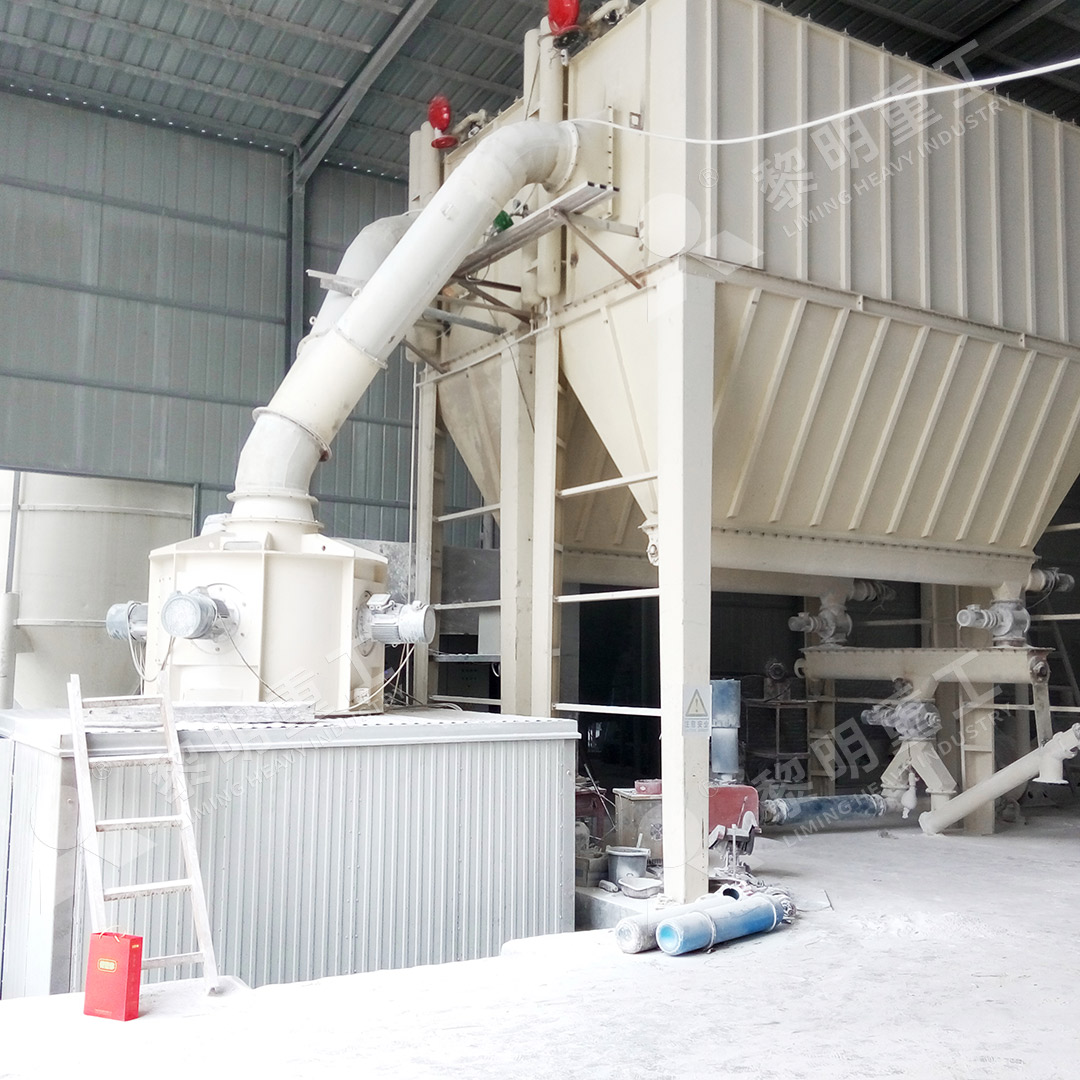
The Technical Challenge of Fine Coal Processing
Processing coal to 325 mesh specifications presents unique challenges that conventional mills struggle to address. The material’s abrasive nature, combined with the need for precise particle size distribution, demands equipment designed specifically for these conditions. Traditional approaches often result in inconsistent quality, high maintenance costs, and environmental concerns.
Modern grinding solutions must address multiple parameters simultaneously: particle size consistency, energy efficiency, dust control, and operational reliability. The most advanced systems integrate these considerations into a cohesive package that delivers superior performance across all metrics.
Advanced Solutions for Demanding Applications
Among the available technologies, the MW Ultrafine Grinding Mill represents a significant advancement in coal processing capability. With an input size range of 0-20 mm and capacity spanning 0.5-25 tph, this system delivers exceptional flexibility for various production requirements. The mill’s innovative design eliminates rolling bearings and screws within the grinding chamber, addressing common failure points that plague conventional equipment.
The MW series achieves particularly impressive results in fine powder production, offering adjustable fineness between 325-2500 meshes. This precision is made possible through German cage-type powder selector technology, which ensures consistent particle size distribution with screening rates achieving d97≤5μm in a single pass.
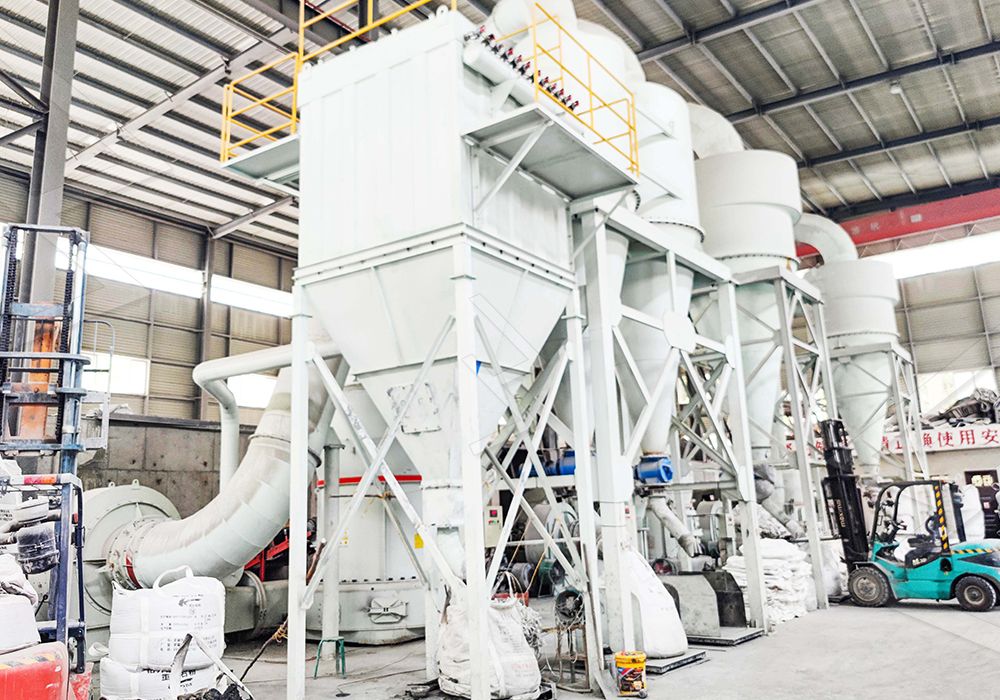
Environmental and Operational Advantages
Beyond technical specifications, modern grinding equipment must address environmental concerns without compromising performance. The integration of efficient pulse dust collectors and mufflers demonstrates how advanced engineering can achieve both production goals and environmental responsibility. These systems operate with minimal dust emissions and reduced noise levels, creating better working conditions while meeting stringent regulatory requirements.
Operational efficiency extends beyond environmental considerations to include energy consumption and maintenance requirements. Advanced grinding systems typically demonstrate 30-40% energy savings compared to conventional approaches, while simplified maintenance protocols reduce downtime and associated costs.
Selecting the Right Grinding Solution
When evaluating grinding equipment for coal processing, several factors warrant careful consideration. Production capacity requirements, desired fineness range, available space, and operational costs all influence equipment selection. The LUM Ultrafine Vertical Grinding Mill presents another compelling option, particularly for operations requiring 5-18 tph capacity with 0-10 mm input size capability.
This vertical grinding solution incorporates the latest roller technology and German powder separating techniques, delivering exceptional efficiency in a compact footprint. The reversible structure simplifies maintenance operations, while double position-limiting technology ensures stable operation under varying conditions.
Future Trends in Coal Grinding Technology
The evolution of coal grinding technology continues to focus on smarter, more efficient solutions. Digital integration, predictive maintenance capabilities, and enhanced automation are becoming standard features in advanced grinding systems. These developments not only improve operational efficiency but also provide greater control over product quality and consistency.
As industries worldwide seek to optimize their processes, the role of precision grinding equipment becomes increasingly critical. The ability to produce consistent, high-quality coal powder at 325 mesh and beyond represents a significant competitive advantage across multiple sectors.
Frequently Asked Questions
What makes the MW Ultrafine Grinding Mill suitable for 325 mesh coal production?
The MW mill incorporates advanced powder selection technology that precisely controls particle size distribution, ensuring consistent 325 mesh output with high efficiency and minimal energy consumption.
How does the environmental performance of modern grinding mills compare to traditional equipment?
Contemporary designs feature integrated dust collection systems and noise reduction technology, typically reducing dust emissions by over 99% and noise levels by 30-50% compared to conventional mills.
What maintenance advantages do these grinding systems offer?
Features like external lubrication systems, reversible roller designs, and the elimination of internal bearings significantly reduce maintenance requirements and associated downtime.
Can these mills handle variations in coal quality and characteristics?
Yes, advanced grinding systems are engineered to accommodate material variations while maintaining consistent output quality through adjustable grinding parameters and sophisticated control systems.