
30tph Lime Kiln Coal Mill Price and Technical Specifications
We provide a wide range of mills — including Raymond mill, trapezoidal mill, vertical mill, ultrafine mill, and ball mill, obtained ISO9001 international quality certification, EU CE certification, and Customs Union CU-TR certification. Suitable for processing minerals such as limestone, phosphate, quicklime, kaolin, talc, barite, bentonite, calcium carbonate, dolomite, coal, gypsum, clay, carbon black, slag, cement raw materials, cement clinker, and more.
The discharge range of these mills can be adjusted to meet specific processing needs, typically from 80-400 mesh, 600-3250 mesh, and can achieve the finest particle size of up to 6000 mesh(D50).
If you are looking for a reliable grinding solution to turn stone or minerals into fine powder, please feel free to contact our online customer service.
Understanding the 30tph Lime Kiln Coal Mill Requirement
For operators in the lime production industry, selecting the right coal grinding mill is a critical decision that directly impacts productivity, operational costs, and final product quality. A common requirement is a mill capable of handling a throughput of 30 tons per hour (tph) to feed a lime kiln’s combustion system. The goal is to achieve a consistent, finely ground coal powder that ensures efficient and stable combustion within the kiln.
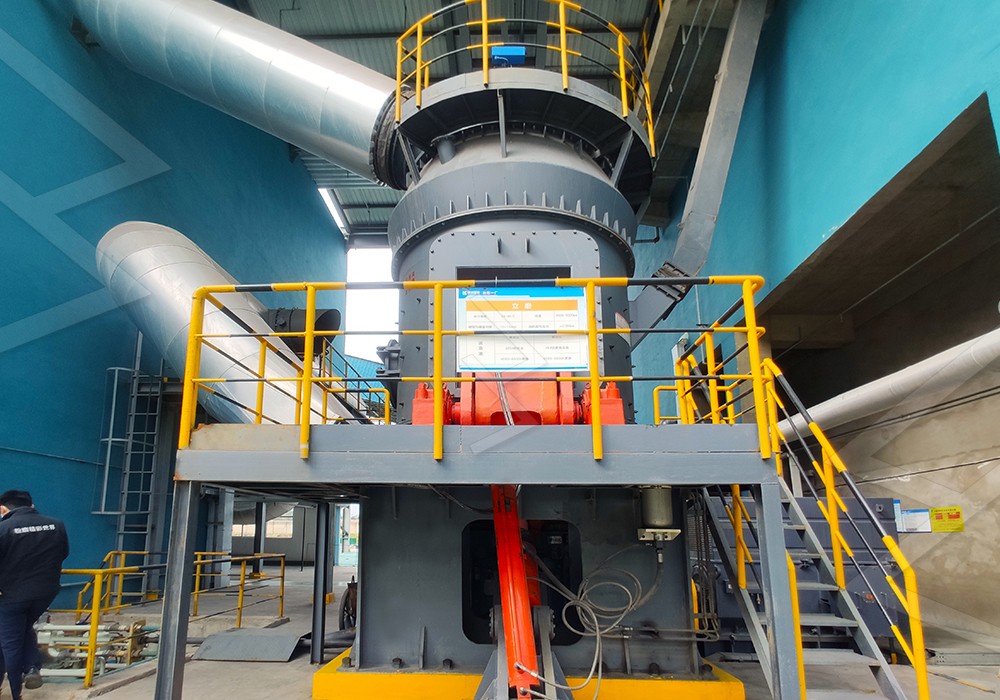
The technical specifications for such a mill must balance several factors: input size (typically raw coal under 20mm), desired output fineness (often around 200 mesh for optimal combustion), energy consumption, system stability, and of course, the overall investment and operating costs. Environmental considerations, such as dust and noise control, are also paramount in today’s regulated manufacturing landscape.
Key Technical Specifications for a 30tph Mill
When evaluating a coal mill for a 30tph application, several core specs come into play. The mill must reliably handle the required capacity with a consistent feed size. The grinding system should be energy-efficient to keep operating costs low, and it must produce a powder with a narrow particle size distribution to ensure complete combustion in the kiln.
Other vital considerations include the durability of wear parts to minimize maintenance downtime, the integration of effective dust collection systems to meet environmental standards, and the level of automation for stable, operator-friendly control. The physical footprint of the mill is also a factor, especially for plant upgrades where space may be limited.
A Recommended Solution: MW Ultrafine Grinding Mill
Based on your requirement for a 30tph capacity and the need for fine, consistent pulverized coal, we would like to highlight our MW Ultrafine Grinding Mill. This machine is engineered for customers who need to make ultra-fine powder and is an excellent fit for lime kiln coal preparation.
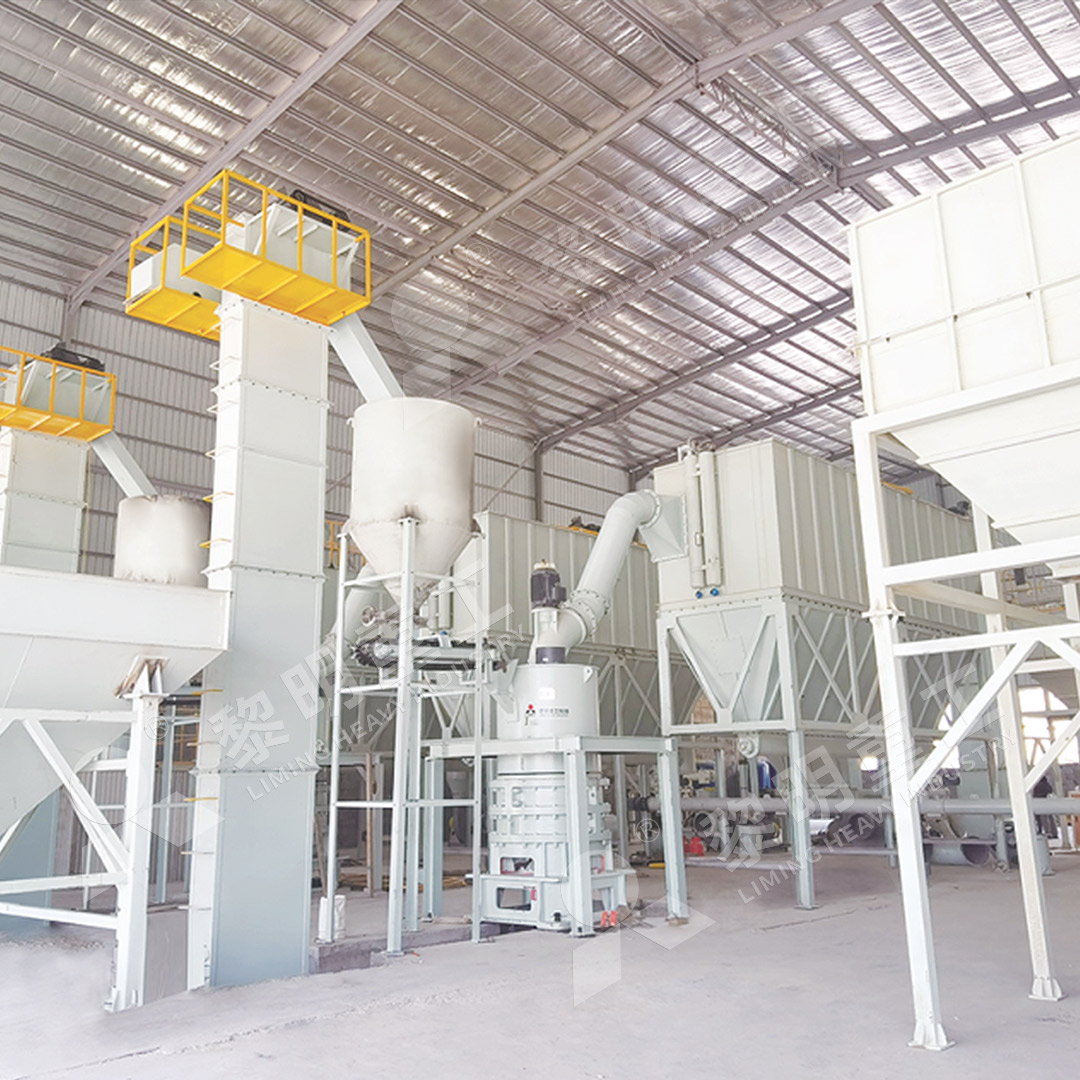
The MW Series Mill is designed with a capacity range of 0.5-25 tph, and for a 30tph requirement, a system can be configured to meet this demand efficiently. Its key advantage lies in its Higher Yielding and Lower Energy Consumption. With newly designed grinding curves, its production capacity is 40% higher than jet mills and double that of a ball mill, while system energy consumption is only 30% of a jet mill. This translates directly to significant cost savings.
Furthermore, its Adjustable Fineness between 325-2500 meshes via a German-technology cage-type powder selector allows you to precisely target the optimal fineness for your kiln’s efficiency. A critical design feature for heavy-duty operation is that there are no rolling bearings or screws in the grinding chamber, eliminating common failure points and allowing for external lubrication without shutdown, enabling true 24/7 continuous production.
Another Strong Option: LUM Ultrafine Vertical Grinding Mill
For operations prioritizing advanced technology and ease of maintenance, our LUM Ultrafine Vertical Grinding Mill is another premier choice. With a capacity of 5-18 tph, multiple units or a specifically engineered model can be considered for your 30tph target.
The LUM Mill integrates the latest grinding roller and powder separating technology. Its unique roller shell and lining plate grinding curve are easier to generate a material layer, enabling a high rate of finished product in a single pass. This enhances efficiency and improves the cleanliness of the final coal powder. Its More Energy-Saving Multi-Head Powder Separating Technology, controlled by a PLC system, reduces energy consumption by 30%-50% compared to common grinding mills.
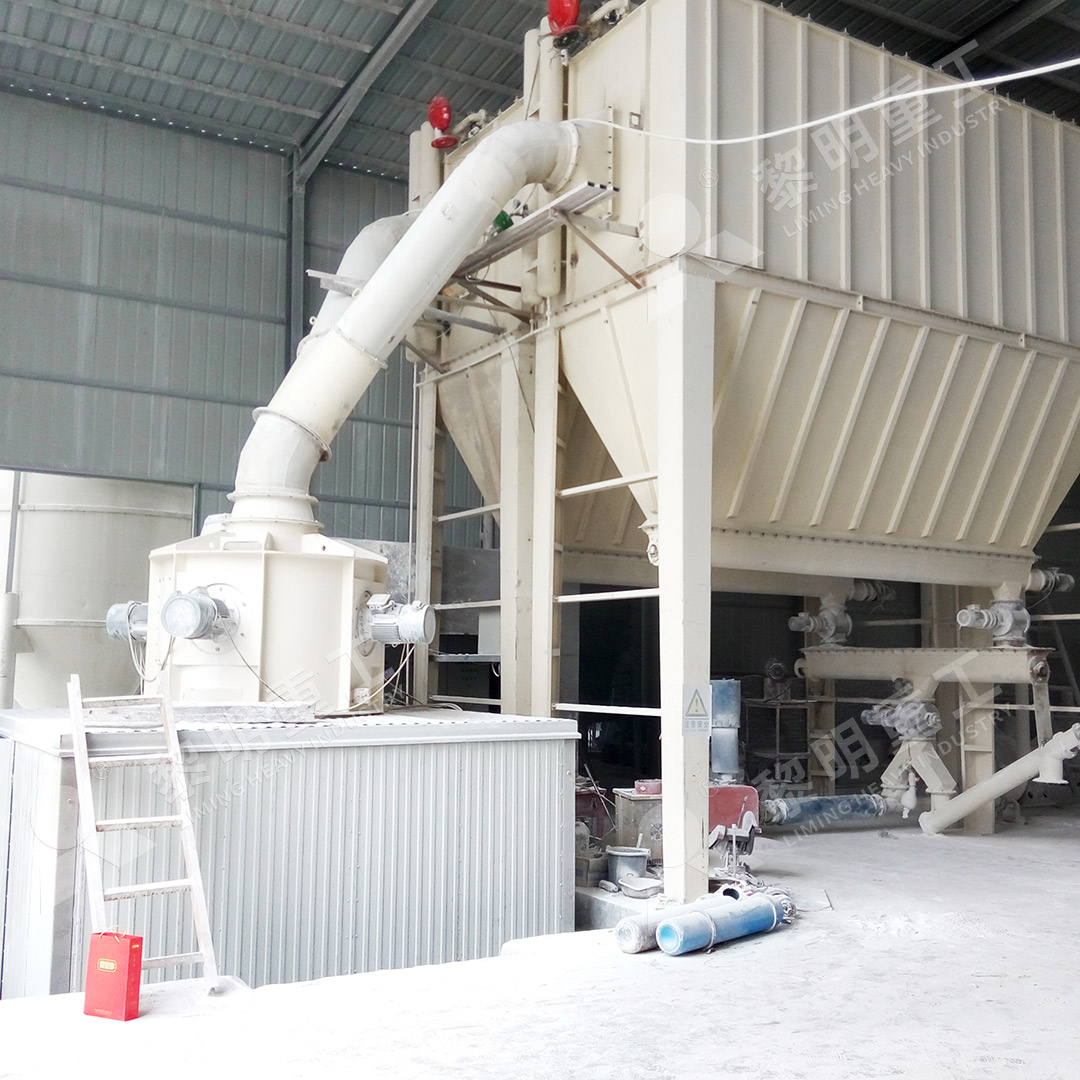
A standout feature for ensuring long-term reliability is its Double Position-Limiting Technology, which protects the mill from destructive impacts caused by vibration, guaranteeing stable operation. Lastly, its Reversible Structure allows grinding rollers to be easily moved out of the body for checking and replacing wear parts, drastically reducing maintenance time and associated shutdown losses.
Conclusion and Pricing Considerations
Selecting between the MW and LUM mills depends on your specific plant layout, preference for operational technology, and maintenance philosophy. Both are designed to deliver the high efficiency, reliability, and environmental performance required for modern lime production.
The price for a complete 30tph coal mill system is not a one-size-fits-all figure. It varies based on the chosen model (MW or LUM), system configuration (including feeders, dust collectors, and control systems), and material of construction for wear parts. We strongly recommend contacting our engineering team for a detailed quotation tailored to your specific raw coal characteristics and plant requirements. Investing in the right technology from the start ensures lower cost per ton over the entire lifecycle of your operation.