
250tph Cement Grinding Mill: Key Factors Affecting Production Capacity
We provide a wide range of mills — including Raymond mill, trapezoidal mill, vertical mill, ultrafine mill, and ball mill, obtained ISO9001 international quality certification, EU CE certification, and Customs Union CU-TR certification. Suitable for processing minerals such as limestone, phosphate, quicklime, kaolin, talc, barite, bentonite, calcium carbonate, dolomite, coal, gypsum, clay, carbon black, slag, cement raw materials, cement clinker, and more.
The discharge range of these mills can be adjusted to meet specific processing needs, typically from 80-400 mesh, 600-3250 mesh, and can achieve the finest particle size of up to 6000 mesh(D50).
If you are looking for a reliable grinding solution to turn stone or minerals into fine powder, please feel free to contact our online customer service.
250tph Cement Grinding Mill: Key Factors Affecting Production Capacity
In the cement industry, achieving a consistent production capacity of 250 tons per hour (tph) requires careful consideration of multiple factors. From raw material properties to equipment selection, each element plays a critical role in optimizing output. This article explores the key variables influencing the performance of high-capacity cement grinding mills.
1. Raw Material Characteristics
The grindability of clinker and additives significantly impacts mill throughput. Materials with higher Bond Work Index values require more energy for size reduction, directly affecting production rates. Particle size distribution of feed materials should ideally range between 0-20mm for efficient grinding.
2. Grinding Technology Selection
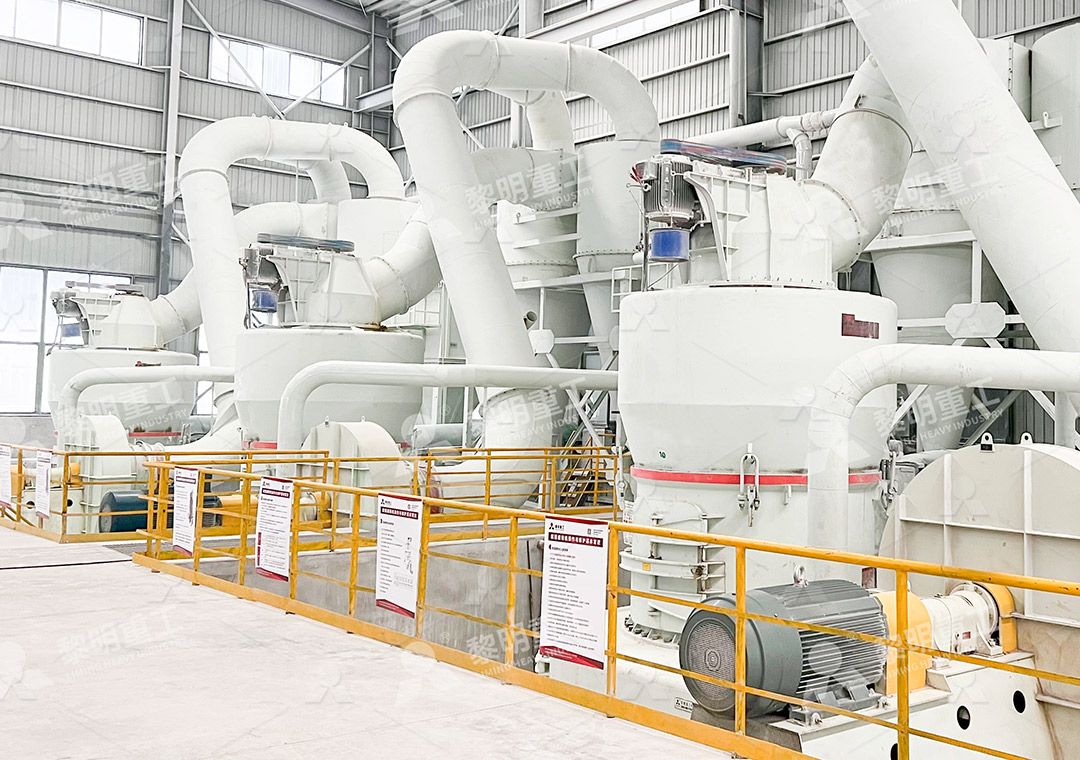
Modern grinding systems offer varying efficiency levels. Our MW Ultrafine Grinding Mill demonstrates exceptional performance with:
- 40% higher capacity than jet mills at equivalent power
- Adjustable fineness between 325-2500 meshes
- Special dust collection system ensuring eco-friendly operation
For operations requiring vertical grinding solutions, the LUM Ultrafine Vertical Grinding Mill integrates advanced German separation technology with energy savings up to 50% compared to conventional mills.
3. System Configuration
Proper system design encompasses:
- Pre-grinding arrangements with roller presses
- Efficient material transport systems
- Optimized classifier selection
4. Operational Parameters
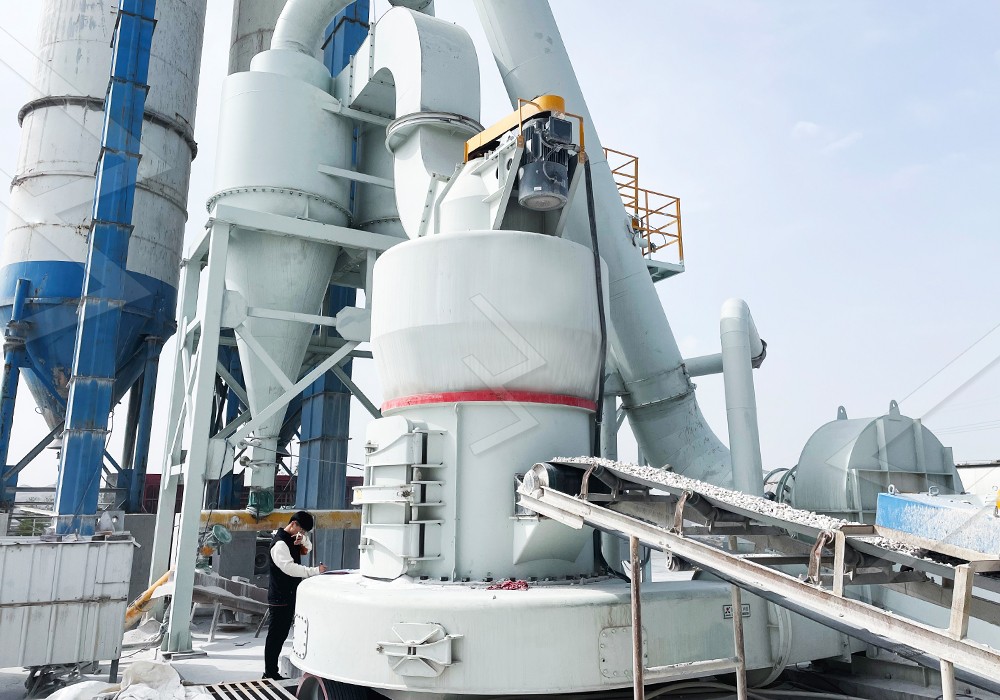
Critical operating factors include:
| Parameter | Optimal Range | Impact |
|---|---|---|
| Mill speed | 70-78% critical speed | Affects grinding efficiency |
| Material filling | 25-35% of volume | Influences energy transfer |
| Airflow rate | 1.2-1.8 m/s | Controls material transport |
5. Maintenance Considerations
Regular maintenance ensures sustained production capacity. Our grinding mills feature innovative designs like:
- External lubrication systems allowing 24/7 operation
- Reversible roller structures for easy maintenance
- Wear-resistant alloy components lasting 2.5x longer
Conclusion
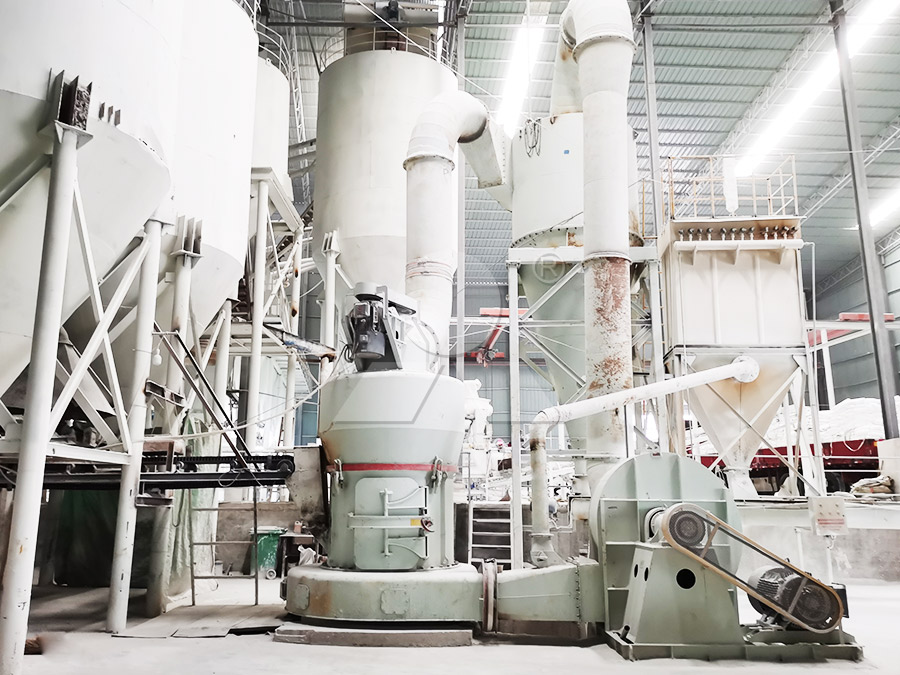
Achieving 250tph in cement grinding requires holistic optimization of materials, equipment, and processes. LIMING’s advanced grinding solutions like the MW and LUM series mills incorporate cutting-edge technologies to maximize production capacity while minimizing energy consumption. With proper system design and operation, cement producers can consistently meet high-output targets while maintaining product quality.