
2500 Mesh Slag Grinding Mill for Major Overhaul Projects
We provide a wide range of mills — including Raymond mill, trapezoidal mill, vertical mill, ultrafine mill, and ball mill, obtained ISO9001 international quality certification, EU CE certification, and Customs Union CU-TR certification. Suitable for processing minerals such as limestone, phosphate, quicklime, kaolin, talc, barite, bentonite, calcium carbonate, dolomite, coal, gypsum, clay, carbon black, slag, cement raw materials, cement clinker, and more.
The discharge range of these mills can be adjusted to meet specific processing needs, typically from 80-400 mesh, 600-3250 mesh, and can achieve the finest particle size of up to 6000 mesh(D50).
If you are looking for a reliable grinding solution to turn stone or minerals into fine powder, please feel free to contact our online customer service.
Revitalizing Industrial Infrastructure: The Critical Role of Ultra-Fine Slag Grinding
Major industrial overhaul projects present a unique set of challenges and opportunities. Whether modernizing a cement plant, upgrading a steel mill’s byproduct processing line, or retrofitting a power generation facility, the goal is clear: to achieve a significant leap in efficiency, output quality, and environmental compliance. At the heart of many such projects, particularly those involving industrial byproducts like granulated blast furnace slag or steel slag, lies a critical process—ultra-fine grinding. The ability to consistently produce slag powder at fineness levels of 2500 mesh (approximately 5μm) is no longer a luxury; it’s a necessity for creating high-value additives for cement and concrete that enhance strength and durability.
Traditional grinding systems often fall short in this demanding arena. They may struggle with energy intensity, inconsistent particle size distribution, excessive wear part consumption, or an inability to reach the stringent fineness targets required for modern applications. A major overhaul is the perfect moment to move beyond these limitations and integrate a grinding solution engineered for the future.
Core Challenges in High-Precision Slag Grinding
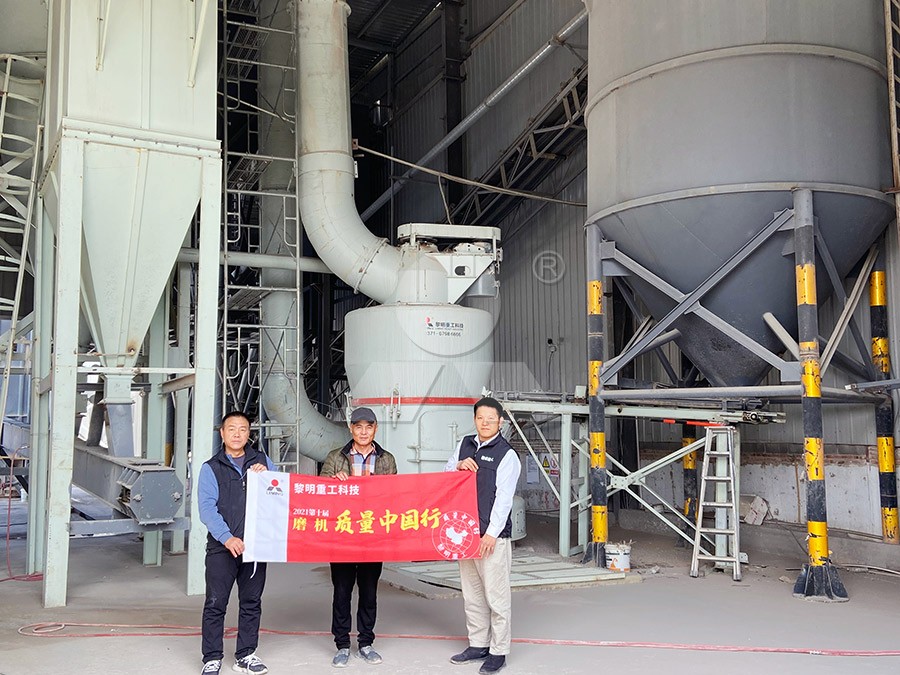
Selecting the right mill for 2500 mesh slag processing requires a deep understanding of the technical hurdles. Slag is abrasive, and grinding it to ultra-fine levels generates heat, which can affect product quality. The system must maintain precise classification at these fine sizes to ensure a high screening rate (e.g., d97 ≤ 5μm). Furthermore, overhaul projects demand solutions that minimize future downtime. A mill with internal components like screws or rolling bearings in the grinding chamber is a future maintenance liability, as wear or loosening can lead to catastrophic failure and unplanned shutdowns.
Environmental regulations are also tighter than ever. The grinding process must be encapsulated, with efficient dust collection and noise suppression integrated from the ground up. Finally, operational simplicity and access to genuine, long-lasting spare parts are crucial for ensuring worry-free, continuous operation post-overhaul.
Engineering the Solution: Features of a Next-Generation Mill
A mill designed to be the centerpiece of a major overhaul must exhibit several key characteristics. First is precision grinding and separation. This is achieved through advanced, multi-head cage-type powder selectors that allow precise control over fineness from 325 to 2500 mesh. Second is maintenance-friendly design. A superior design eliminates rolling bearings and screws within the grinding chamber itself, removing primary points of failure. External lubrication systems that allow servicing without shutdown are a major advantage for 24/7 operations.
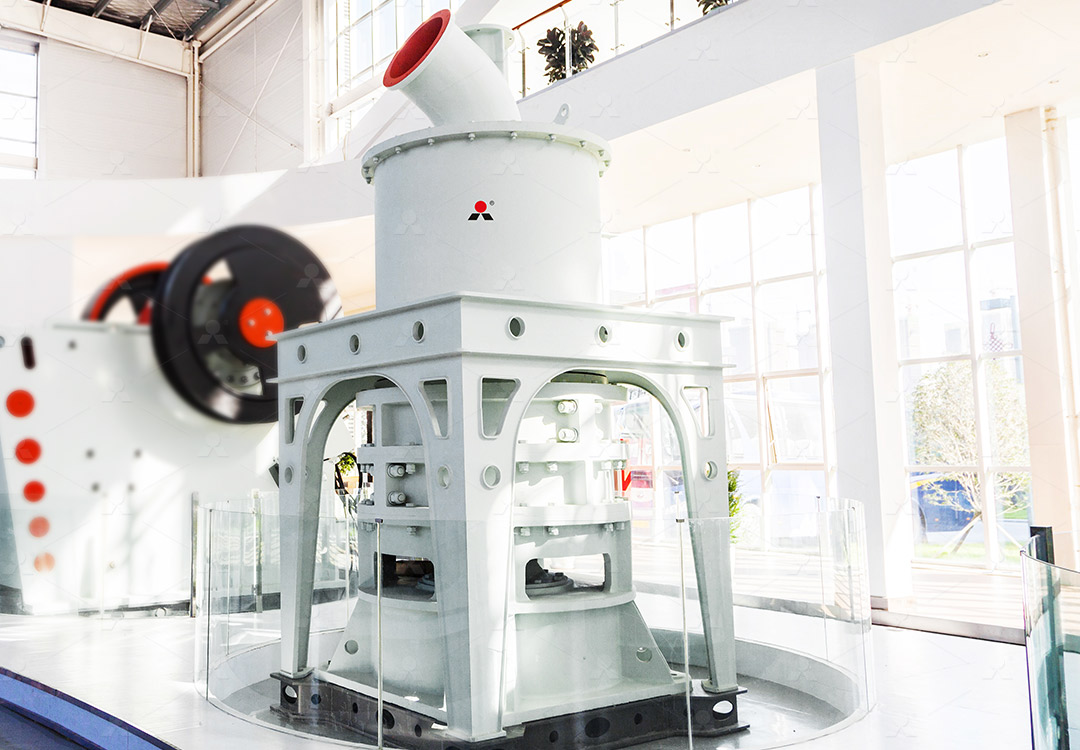
Third is integrated environmental protection. The mill should be a closed system paired with a high-efficiency pulse dust collector and silencers, ensuring the entire production line meets stringent national emission standards. Fourth is energy intelligence. Modern mills leverage optimized grinding curves and efficient drives to offer yield increases of 40% or more compared to older jet or ball mill systems, while simultaneously slashing specific energy consumption.
Strategic Equipment Recommendation for Overhaul Specifications
For project planners targeting 2500 mesh slag production with input sizes around 0-20mm and capacities in the range of 0.5 to 25 tons per hour, one technology stands out as a purpose-built solution: the MW Ultrafine Grinding Mill.
This mill is specifically engineered for customers who need to make ultra-fine powder. Its design directly addresses the challenges outlined above. The MW Series Mill features a German-technology-inspired cage-type powder selector for precise 325-2500 mesh adjustment. Critically, its grinding chamber has no rolling bearings or screws, liberating operators from related breakdown concerns. It comes equipped with an efficient pulse dust collector and muffler, making the entire production process clean and quiet. Furthermore, with a design that boosts production capacity by up to 40% over some conventional fine-grinding systems while reducing energy use, it delivers the operational efficiency overhaul projects demand. For applications requiring vertical integration and slightly different feed characteristics, the LUM Ultrafine Vertical Grinding Mill also presents an excellent choice, featuring advanced roller technology and reversible rollers for easier maintenance.
Implementation and Long-Term Value
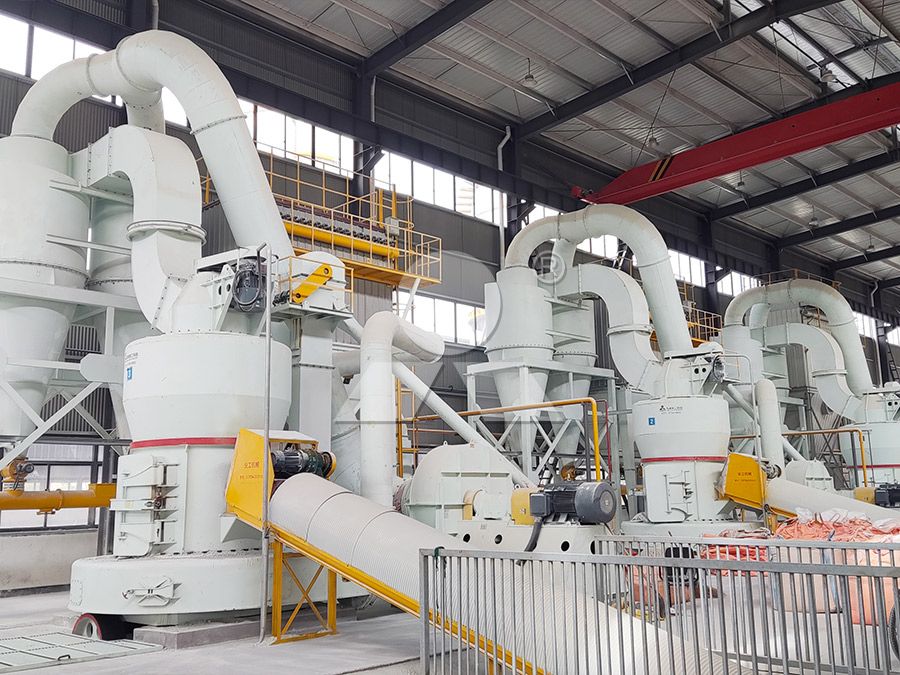
Integrating a mill like the MW Series into an overhaul project goes beyond mere equipment replacement. It’s a process transformation. The digitalized, high-precision manufacturing of such mills ensures reliability and consistency. The assurance of a sufficient supply of original spare parts and direct technical support from the manufacturer is invaluable for long-term project success and minimizing lifecycle costs. The result is a future-proofed operation capable of producing premium-grade slag powder with lower operating costs, superior environmental performance, and unparalleled operational stability—turning an industrial byproduct into a high-value asset for decades to come.
Frequently Asked Questions (FAQ)
1. What is the primary advantage of achieving 2500 mesh fineness for slag?
The primary advantage is significantly enhanced reactivity and performance when used as a supplementary cementitious material (SCM). Slag powder at 2500 mesh (∼5μm) dramatically improves the compressive strength, durability, and chemical resistance of concrete, allowing for higher replacement rates of Portland cement and creating a more valuable end product.
2. Why is the absence of rolling bearings in the grinding chamber important?
Rolling bearings within the abrasive environment of a grinding chamber are high-wear components. Their failure often requires a full shutdown and complex disassembly. A design without them removes this common point of failure, drastically improving mill availability and reducing the risk of unexpected downtime and costly emergency repairs.
3. How does the mill system ensure environmental compliance?
A modern system like the MW Ultrafine Grinding Mill is designed as a closed-circuit, negative-pressure system. It is integrally paired with a high-efficiency pulse-jet dust collector, capturing over 99.9% of particulates. Combined with integrated mufflers and sound insulation, it controls both dust and noise emissions to levels that meet or exceed international environmental protection standards.
4. Can the fineness be adjusted easily for different product requirements?
Yes. Advanced mills utilize a cage-type or similar high-efficiency powder selector with variable-speed drives. By adjusting the speed of the classifier rotor, operators can accurately and quickly control the cut point, allowing the same mill to produce different fineness grades (e.g., from 325 mesh to 2500 mesh) to meet varying market demands or product specifications.
5. What kind of after-sales support is crucial after a major overhaul?
Post-overhaul, access to genuine spare parts, detailed technical documentation, and responsive expert support is critical. Choosing a manufacturer like LIMING, which controls production and sales, ensures direct responsibility for the equipment. They can provide original spare parts, remote and on-site technical services, and operational guidance to guarantee long-term, worry-free performance and protect your investment.