
200 Ton Per Hour Gold Crushing and Milling Plant Design and Cost
We provide a wide range of mills — including Raymond mill, trapezoidal mill, vertical mill, ultrafine mill, and ball mill, obtained ISO9001 international quality certification, EU CE certification, and Customs Union CU-TR certification. Suitable for processing minerals such as limestone, phosphate, quicklime, kaolin, talc, barite, bentonite, calcium carbonate, dolomite, coal, gypsum, clay, carbon black, slag, cement raw materials, cement clinker, and more.
The discharge range of these mills can be adjusted to meet specific processing needs, typically from 80-400 mesh, 600-3250 mesh, and can achieve the finest particle size of up to 6000 mesh(D50).
If you are looking for a reliable grinding solution to turn stone or minerals into fine powder, please feel free to contact our online customer service.
Designing a High-Capacity Gold Processing Operation
Designing a 200 ton per hour (tph) gold crushing and milling plant is a significant undertaking that requires meticulous planning around ore characteristics, process flow, equipment selection, and capital/operating costs. The primary objective is to achieve maximum gold recovery through efficient comminution and liberation of gold particles, all while maintaining economic viability.
Core Process Flow: From Run-of-Mine Ore to Mill Feed
The process begins with a primary crushing stage, typically using a large jaw crusher or gyratory crusher to reduce the run-of-mine (ROM) ore to a manageable size, around 150-200mm. A secondary cone crusher circuit further reduces the material to approximately 20-50mm. This crushed ore is then stockpiled, providing a crucial buffer between the crushing and milling sections to ensure continuous mill operation.
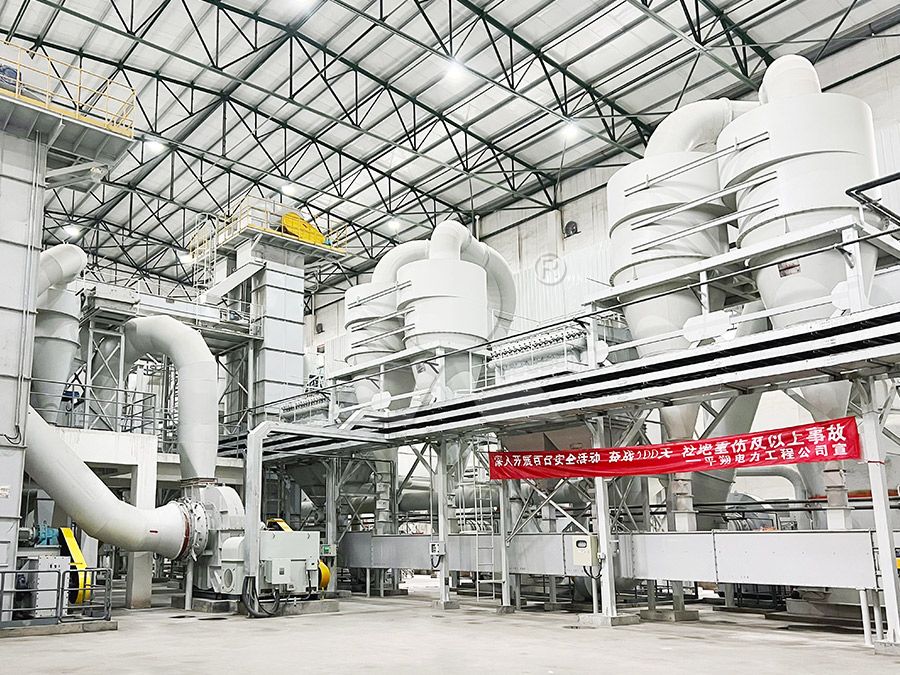
The heart of the operation is the milling circuit. For a 200 tph plant, a SAG/Ball mill combination is often the preferred choice for its robustness and ability to handle variable ore hardness. The crushed ore is fed into a large SAG mill, where it is ground by the impact of ore itself and a small charge of steel balls. The discharge from the SAG mill is then classified, with oversize material being recirculated and the finer product advancing to one or more large ball mills for further grinding to the target fineness, typically around 75 microns for effective gold liberation.
Equipment Selection: The Backbone of Efficiency
Selecting the right equipment is paramount for achieving design capacity and controlling operating costs. For the fine grinding stages, particularly when dealing with refractory ores that require ultra-fine liberation, advanced grinding technology is key.
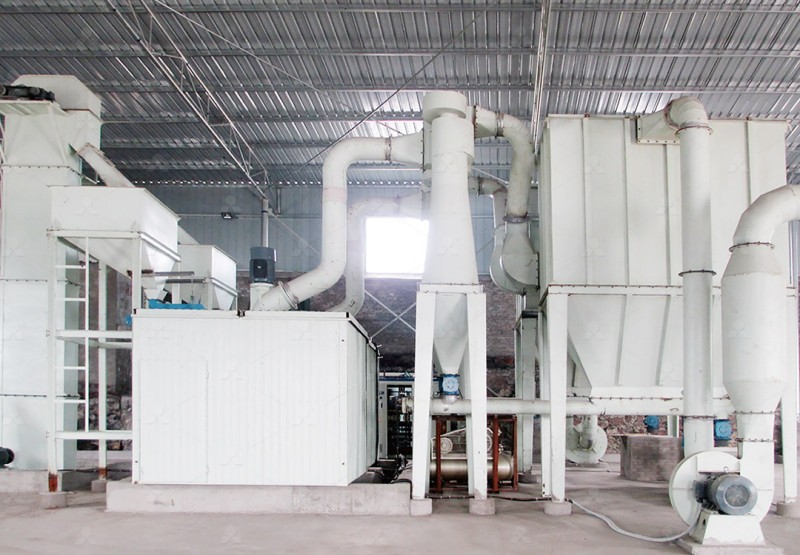
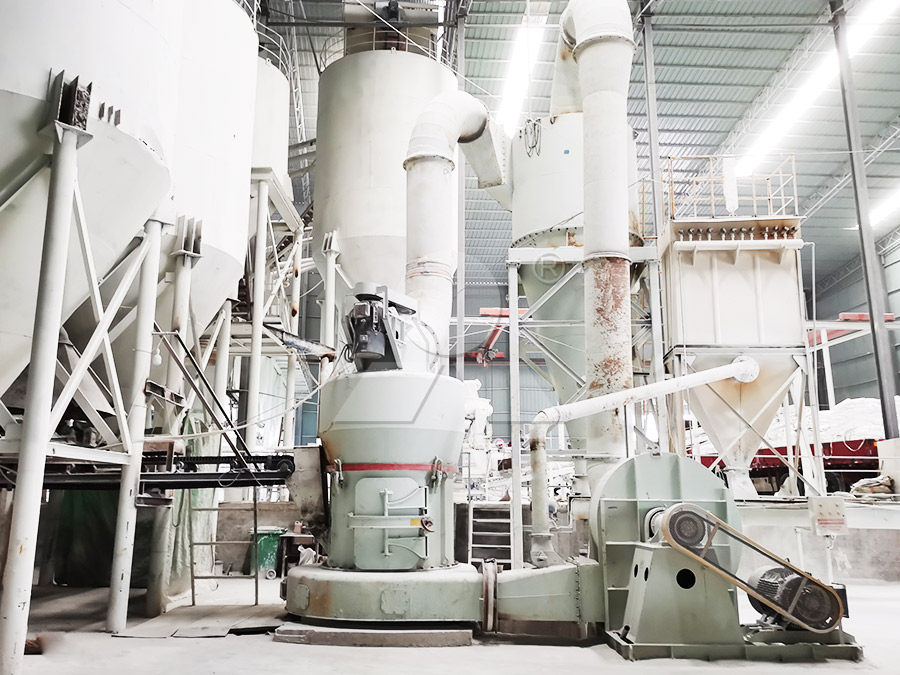
Our MW Ultrafine Grinding Mill is an excellent solution for applications requiring precise, ultra-fine powder. With an input size of 0-20 mm and a capacity range of 0.5-25 tph, it is engineered for higher yield and lower energy consumption. Its innovative design, featuring a German-technology cage-type powder selector, allows for adjustable fineness between 325-2500 meshes. Crucially, the absence of rolling bearings and screws in the grinding chamber eliminates common failure points, enhancing reliability for 24/7 operation. For a large plant, multiple units can be configured in parallel to handle the required throughput for a dedicated ultra-fine grinding section.
Understanding the Cost Structure
The capital expenditure (CAPEX) for a 200 tph plant is substantial. Major costs include:
- Equipment Purchase: Crushers, SAG/Ball mills, cyclones, pumps, conveyors, and feeders.
- Structural & Civil Works: Foundations, buildings, and earthworks.
- Installation & Commissioning: Labor and expertise for setup.
- Infrastructure: Power supply, water management, and tailings storage facilities.
Operational expenditure (OPEX) is dominated by:
- Grinding Media & Liners: A major consumable cost in milling.
- Power Consumption: Comminution is notoriously energy-intensive.
- Labor: Skilled operators and maintenance personnel.
- Maintenance & Spares: Regular upkeep of mechanical components.
Investing in energy-efficient and low-maintenance equipment, like the MW Mill, directly contributes to reducing long-term OPEX, improving the project’s overall economics.
Frequently Asked Questions (FAQ)
What is the estimated capital cost for a 200 tph gold plant?
While costs vary significantly based on location, ore complexity, and infrastructure, a rough estimate ranges from $50 million to $150 million USD. A detailed feasibility study is essential for an accurate figure.
Why is energy consumption so high in these plants?
Crushing and grinding ore to a fine powder is extremely energy-intensive, often accounting for over 50% of a mine’s total energy usage. This is why selecting mills with higher efficiency and lower energy consumption is critical.
How does the MW Ultrafine Grinding Mill improve recovery?
By achieving a consistently ultra-fine grind (d97 ≤5μm), the MW Mill ensures maximum liberation of microscopic gold particles locked within the host rock. This allows subsequent processes like leaching or flotation to recover more gold, directly boosting overall plant revenue.
What are the key factors in maintaining such a large operation?
Preventative maintenance scheduling, ready availability of critical spare parts, and highly trained personnel are the pillars of operational stability. Choosing equipment designed for reliability and easy maintenance, with strong manufacturer support, is a strategic decision.