
200 Mesh Pulverizer for Blast Furnace Injection in Steel Mills
We provide a wide range of mills — including Raymond mill, trapezoidal mill, vertical mill, ultrafine mill, and ball mill, obtained ISO9001 international quality certification, EU CE certification, and Customs Union CU-TR certification. Suitable for processing minerals such as limestone, phosphate, quicklime, kaolin, talc, barite, bentonite, calcium carbonate, dolomite, coal, gypsum, clay, carbon black, slag, cement raw materials, cement clinker, and more.
The discharge range of these mills can be adjusted to meet specific processing needs, typically from 80-400 mesh, 600-3250 mesh, and can achieve the finest particle size of up to 6000 mesh(D50).
If you are looking for a reliable grinding solution to turn stone or minerals into fine powder, please feel free to contact our online customer service.
The Critical Role of 200 Mesh Pulverizers in Modern Steel Production
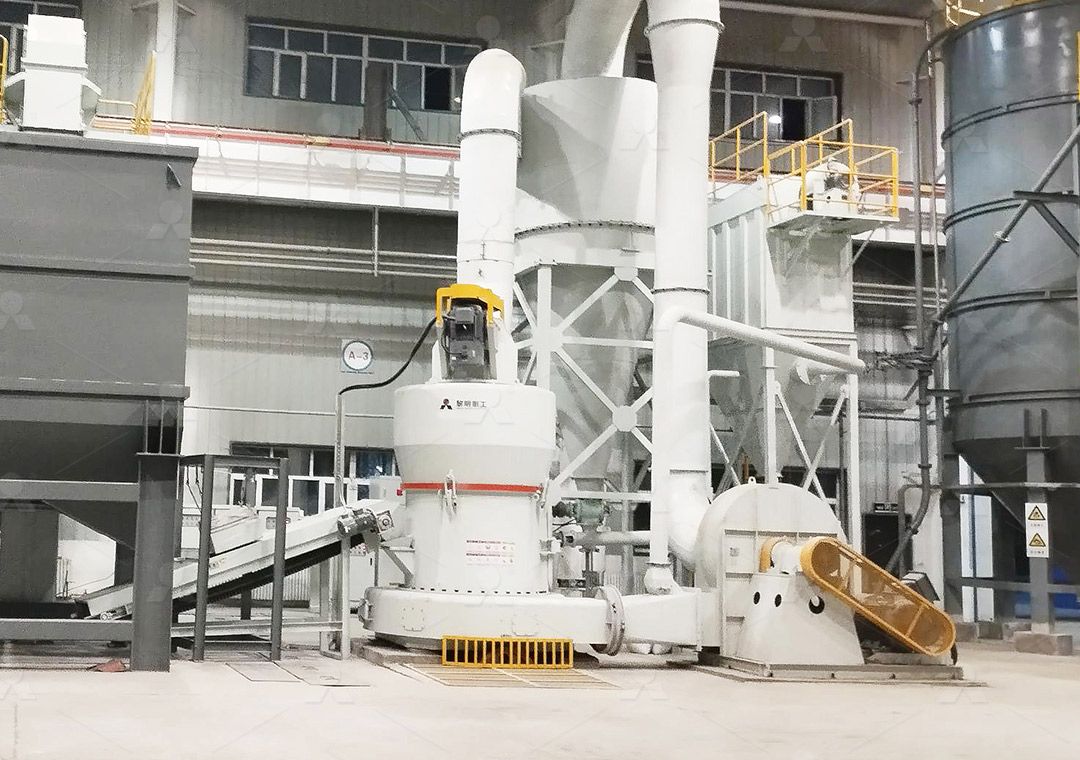
In the high-stakes world of steel manufacturing, efficiency is everything. One of the most crucial yet often overlooked processes is blast furnace injection, where finely ground coal or other carbonaceous materials are injected into the blast furnace to reduce coke consumption and lower overall production costs. The key to this process? Achieving a consistent, ultra-fine 200 mesh (approximately 74 microns) powder. This isn’t just a suggestion—it’s a requirement for optimal combustion and efficient reduction of iron ore.
Why Particle Size Matters: The Science Behind Injection
Grinding materials to a precise 200 mesh fineness isn’t just about hitting a number. Particles that are too coarse will not combust completely in the intense heat of the blast furnace, leading to wasted fuel and potential operational issues. Unburnt coal can disrupt the furnace’s permeability and chemical balance. On the other hand, particles that are too fine can be carried away by the furnace’s upward gas flow before they can contribute to the reduction process, representing another form of waste. The 200 mesh target represents the sweet spot for maximum surface area, rapid combustion, and efficient chemical reaction, ensuring that every gram of injected material contributes to iron production.
Beyond Coal: Diverse Materials for a Sustainable Future
While coal powder remains the primary material for injection, steel mills are increasingly exploring alternative fuels like waste plastics, biomass, and other carbon-based materials to improve sustainability and reduce their carbon footprint. This shift places even greater demands on grinding technology. A modern pulverizer must be versatile enough to handle a variety of materials—from petroleum coke and limestone to more challenging substances—while maintaining that critical 200 mesh consistency without fail.
Introducing the Ideal Solution: MW Ultrafine Grinding Mill
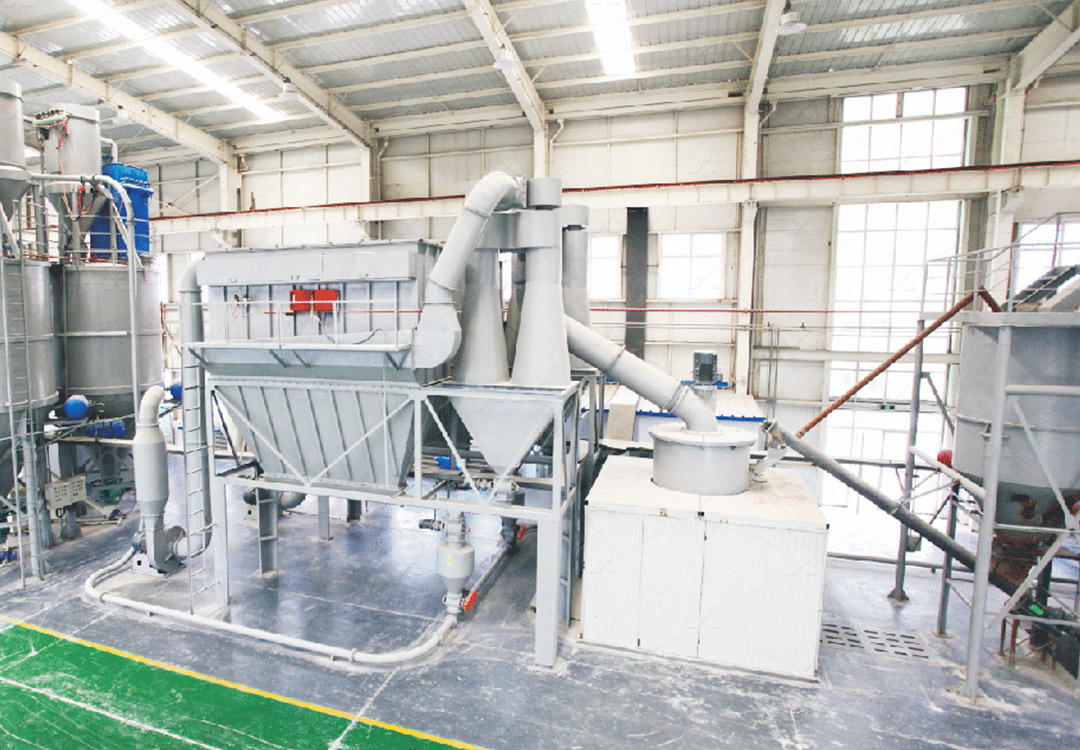
For steel mills seeking reliability, precision, and efficiency in their pulverizing operations, we highly recommend our MW Ultrafine Grinding Mill. This machine is engineered from the ground up for customers who need to make ultra-fine powder with exceptional consistency.
With an input size of 0-20 mm and a capacity range of 0.5 to 25 tons per hour, the MW Mill is perfectly scaled for blast furnace injection demands. It excels at processing the exact materials used in steel production, including limestone, calcite, dolomite, and most importantly, petroleum coal. Its design incorporates an efficient pulse dust collector and muffler, making the entire production process cleaner and quieter, which is a significant advantage in environmentally conscious facilities.
Key Advantages for Steel Mill Applications:
- Higher Yielding, Lower Energy Consumption: Its newly designed grinding curves enhance efficiency, offering 40% higher capacity than jet mills and double the yield of ball mills, all while slashing system energy consumption by 30%.
- Precision Fineness Control: The cage-type powder selector, incorporating German technology, allows you to dial in the exact 200 mesh fineness (or adjust between 325-2500 meshes as needed) with a screening rate that achieves d97≤5μm in a single pass.
- Unmatched Reliability: A groundbreaking feature is the absence of rolling bearings and screws inside the grinding chamber. This eliminates the most common points of failure, preventing machine damage from loose screws or bearing seal failures. External lubrication allows for 24/7 operation without shutdowns.
Conclusion: Grinding for Profit and Performance
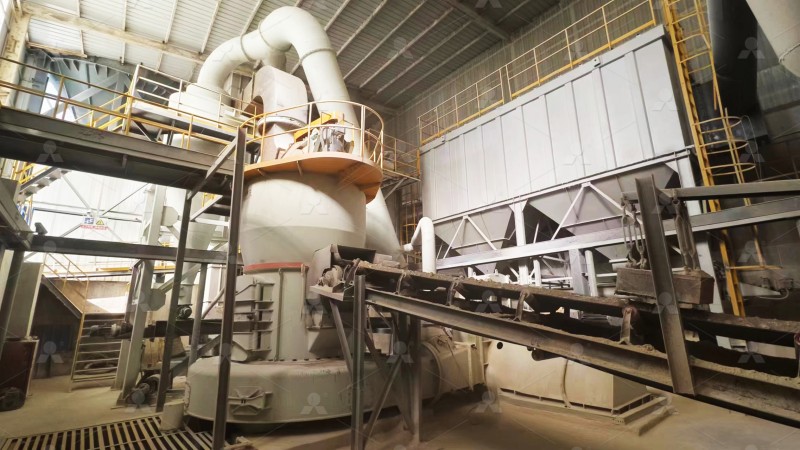
Selecting the right pulverizer is not merely an equipment purchase; it’s a strategic decision that impacts a steel mill’s operational efficiency, environmental compliance, and bottom line. The consistent production of 200 mesh material is a non-negotiable standard for effective blast furnace injection. By investing in advanced, reliable grinding technology like the MW Ultrafine Grinding Mill, mills can ensure optimal fuel efficiency, reduce coke rates, and maintain a smooth, uninterrupted production flow. In the competitive global steel market, such technological advantages make all the difference.