
10 tph Kaolin Grinding Mill Plant Configuration for 325 Mesh Output
We provide a wide range of mills — including Raymond mill, trapezoidal mill, vertical mill, ultrafine mill, and ball mill, obtained ISO9001 international quality certification, EU CE certification, and Customs Union CU-TR certification. Suitable for processing minerals such as limestone, phosphate, quicklime, kaolin, talc, barite, bentonite, calcium carbonate, dolomite, coal, gypsum, clay, carbon black, slag, cement raw materials, cement clinker, and more.
The discharge range of these mills can be adjusted to meet specific processing needs, typically from 80-400 mesh, 600-3250 mesh, and can achieve the finest particle size of up to 6000 mesh(D50).
If you are looking for a reliable grinding solution to turn stone or minerals into fine powder, please feel free to contact our online customer service.
Optimizing Kaolin Processing for a 325 Mesh Product
When designing a grinding plant for kaolin to achieve a consistent 325 mesh (approximately 45 microns) product at a capacity of 10 tons per hour, several critical factors must be considered. The choice of grinding mill is paramount, as it directly impacts production efficiency, energy consumption, product quality, and overall operational costs. Kaolin, or china clay, is a soft white clay that is an essential ingredient in the manufacture of porcelain, paper, rubber, paint, and many other products. Its gentle nature requires a mill that can achieve fine grinding without contaminating the product or causing excessive wear.
Key Considerations for Mill Selection
For a 10 tph output targeting 325 mesh, the grinding mill must offer a perfect balance of high capacity, precise particle size control, and energy efficiency. Traditional solutions like Raymond mills or ball mills often struggle with lower efficiency and higher energy consumption at this fineness and scale. The ideal mill should feature advanced classifying technology to ensure a tight particle size distribution and minimize over-grinding, which wastes energy. Furthermore, for a mineral like kaolin, maintaining the brightness and chemical properties is crucial, so the grinding process must introduce minimal iron contamination.
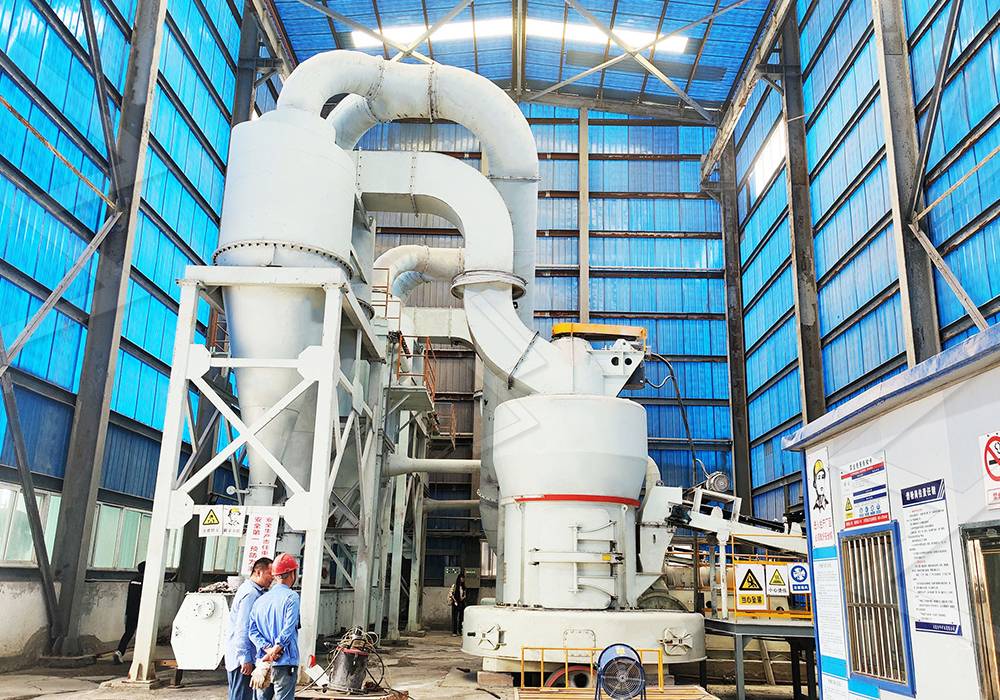
Recommended Mill: MW Ultrafine Grinding Mill
Based on the project requirements, our MW Ultrafine Grinding Mill emerges as a superior choice. Its design is specifically engineered for customers needing to make ultra-fine powder like this. With an input size of 0-20 mm and a capacity range of 0.5-25 tph, it perfectly encompasses the 10 tph requirement for this project.
The MW Series mill boasts several features that make it ideal for kaolin processing:
- Higher Yielding, Lower Energy Consumption: Its newly designed grinding curves enhance efficiency, offering production capacity 40% higher than jet mills while reducing system energy consumption by 30%.
- Adjustable Fineness (325-2500 meshes): The German-technology cage-type powder selector allows for precise control, effortlessly achieving the desired 325-mesh fineness with a high screening rate.
- No Contamination: The absence of rolling bearings and screws in the grinding chamber eliminates concerns about iron pollution from damaged parts, preserving kaolin’s whiteness.
- Eco-Friendly Operation: An efficient pulse dust collector and muffler ensure the entire milling system operates without dust pollution and with reduced noise.

An Alternative Solution: LUM Ultrafine Vertical Grinding Mill
For operations that might prioritize a different set of advantages, our LUM Ultrafine Vertical Grinding Mill presents another excellent option. With an input size of 0-10 mm and a capacity of 5-18 tph, it also fits the 10 tph requirement. It integrates grinding, grading, and transporting, and its unique roller shell design is easier to generate a material layer, promoting high efficiency and improving the whiteness of the kaolin product. Its multi-head powder separating technology and PLC control system also contribute to significant energy savings.
Plant Configuration Overview
A typical plant configuration would include:
- Feed Hopper & Vibrating Feeder: For consistent material feed.
- Jaw Crusher (if needed): For preliminary size reduction of any larger lumps.
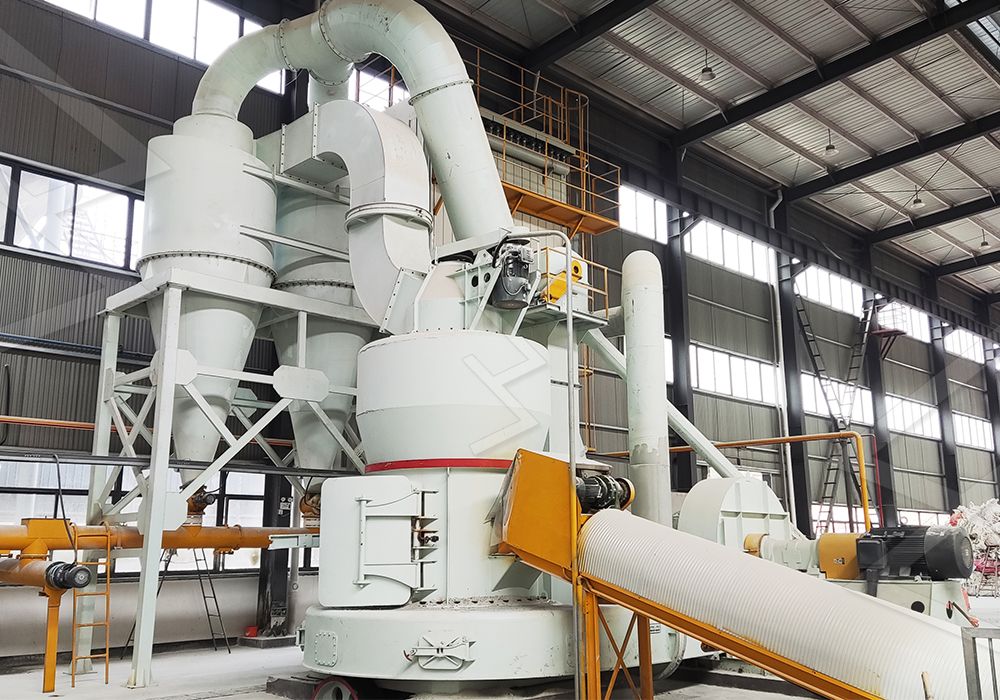
- MW Series Grinding Mill: The core component for grinding and classifying.
- Pulse Dust Collector: To ensure a clean working environment.
- Cyclone Powder Collector & Packing System: For product collection and bagging.
- Control System: For automated and stable operation.
This setup, centered around the MW Mill, is designed for reliability, low maintenance, and producing a high-value, consistent kaolin product that meets market specifications.
Conclusion
Selecting the right grinding technology is the most critical decision in configuring a kaolin processing plant. For a 10 tph output at 325 mesh, our MW Ultrafine Grinding Mill provides an optimal blend of high capacity, exceptional energy efficiency, and superior product quality. Its design minimizes contamination and environmental impact, making it a future-proof investment for any kaolin producer looking to enhance their operations and profitability.