
10 tph Gangue Grinding Mill Price and Equipment Selection Guide
We provide a wide range of mills — including Raymond mill, trapezoidal mill, vertical mill, ultrafine mill, and ball mill, obtained ISO9001 international quality certification, EU CE certification, and Customs Union CU-TR certification. Suitable for processing minerals such as limestone, phosphate, quicklime, kaolin, talc, barite, bentonite, calcium carbonate, dolomite, coal, gypsum, clay, carbon black, slag, cement raw materials, cement clinker, and more.
The discharge range of these mills can be adjusted to meet specific processing needs, typically from 80-400 mesh, 600-3250 mesh, and can achieve the finest particle size of up to 6000 mesh(D50).
If you are looking for a reliable grinding solution to turn stone or minerals into fine powder, please feel free to contact our online customer service.
10 tph Gangue Grinding Mill Price and Equipment Selection Guide
Selecting the right grinding equipment for gangue processing at a 10 tons per hour (tph) capacity is a critical decision that impacts operational efficiency, product quality, and overall project economics. Gangue, the commercially worthless material surrounding ore, often requires fine grinding for applications in construction materials, backfill, or as an additive. This guide will walk you through the key considerations for equipment selection and provide insights into pricing factors.
Key Factors in Gangue Grinding Mill Selection
Choosing a mill isn’t just about capacity. For gangue, which can vary in abrasiveness and moisture content, several technical aspects demand attention. The required product fineness is paramount; are you aiming for a coarse powder for aggregates or an ultra-fine powder for high-value applications? The initial feed size from your primary crusher will determine the mill’s necessary intake capability. Furthermore, the system’s energy consumption is a major contributor to long-term operating costs, making efficiency a top priority. Finally, environmental considerations like dust and noise control are no longer optional but essential for modern, responsible operations.
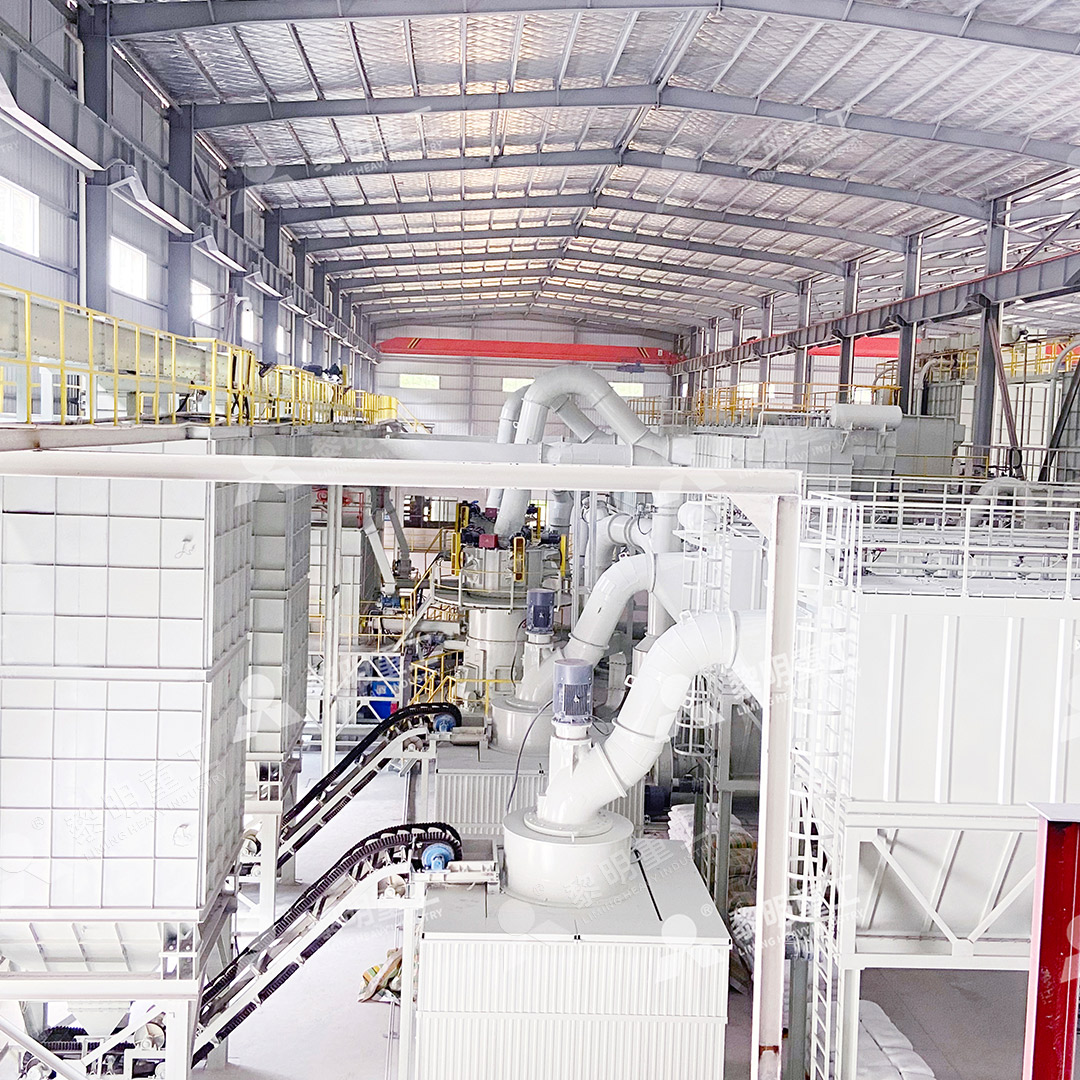
Recommended Mill for 10 TPH Gangue Processing: MW Ultrafine Grinding Mill
For operations targeting high-value, ultra-fine gangue powders (325-2500 meshes), the MW Ultrafine Grinding Mill stands out as an exceptional choice. Its design is particularly suited for the rigors of mineral processing.
With a capacity range of 0.5-25 tph, it comfortably handles your 10 tph requirement. Its superior grinding efficiency, achieved through newly designed grinding curves, translates to a 40% higher output compared to jet mills and double that of a ball mill, all while reducing system energy consumption by 30%. This directly addresses the critical need to lower operational expenses.
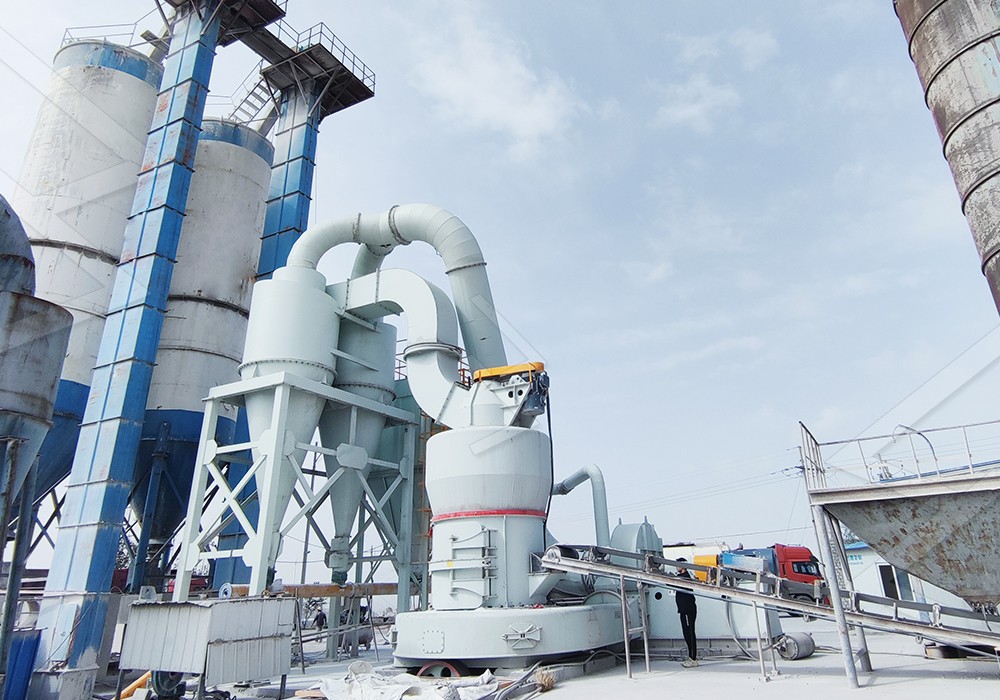
Beyond efficiency, the MW Mill is built for durability and clean operation. A significant advantage is the absence of rolling bearings and screws in the grinding chamber, eliminating common failure points and concerns about loose components causing damage. This design promotes exceptional reliability and reduces maintenance downtime. Furthermore, it is equipped with an efficient pulse dust collector and muffler, ensuring the entire production process meets stringent environmental protection standards with minimal dust and noise pollution.
Understanding Pricing Structures
The price of a 10 tph grinding mill is not a single figure but a range influenced by multiple variables. A basic ball mill system might represent a lower initial investment, while advanced vertical or ultra-fine mills like the MW series command a higher price due to their sophisticated technology, superior materials, and higher efficiency. Configuration plays a huge role; the inclusion of ancillary equipment like feeders, dust collectors, classifiers, and advanced control systems will significantly impact the total system cost. Finally, optional features, customized liners for abrasion resistance, or special sealing solutions will add to the base price. It’s crucial to obtain a detailed quotation that encompasses the entire grinding circuit.
Conclusion
Investing in the right 10 tph gangue grinding mill is a strategic decision. Prioritizing a mill that offers not just the required capacity but also high efficiency, low maintenance, and environmental compliance will yield the best return on investment over the plant’s lifecycle. Technologies like our MW Ultrafine Grinding Mill are engineered to deliver precisely these advantages, transforming gangue from a waste product into a valuable resource efficiently and responsibly.
Frequently Asked Questions (FAQ)
- What is the approximate price range for a complete 10 tph gangue grinding system?
Prices vary widely based on technology and configuration. A basic system might start in the tens of thousands of dollars, while a fully-equipped, advanced ultra-fine grinding system with automation and dust collection can reach several hundred thousand dollars. A detailed consultation and quotation are necessary for an accurate price. - Besides the MW Mill, what other options might be suitable for gangue?
For a 10 tph capacity, the LUM Ultrafine Vertical Grinding Mill (5-18 tph) is another excellent option. It features advanced roller technology and powder separation, offering high efficiency and easier maintenance with its reversible roller structure, which is beneficial for inspecting and replacing wear parts. - How important is after-sales service and parts availability?
Extremely important. Reliable technical support and immediate availability of genuine spare parts are crucial for minimizing downtime. Ensure your supplier, like us, has a strong global network and a commitment to worry-free operation with sufficient spare parts supply. - Can your mills handle moist gangue material?
Some of our mills, particularly our vertical roller mills (LM series), integrate drying and grinding functions. Heated air can be introduced into the mill to handle materials with some moisture content. The MW Mill is designed for dry grinding of materials with low moisture. The best solution depends on your material’s specific characteristics.