
10 Tonnes Per Hour Mobile Ball Mill: Price, Specifications & Setup Guide
We provide a wide range of mills — including Raymond mill, trapezoidal mill, vertical mill, ultrafine mill, and ball mill, obtained ISO9001 international quality certification, EU CE certification, and Customs Union CU-TR certification. Suitable for processing minerals such as limestone, phosphate, quicklime, kaolin, talc, barite, bentonite, calcium carbonate, dolomite, coal, gypsum, clay, carbon black, slag, cement raw materials, cement clinker, and more.
The discharge range of these mills can be adjusted to meet specific processing needs, typically from 80-400 mesh, 600-3250 mesh, and can achieve the finest particle size of up to 6000 mesh(D50).
If you are looking for a reliable grinding solution to turn stone or minerals into fine powder, please feel free to contact our online customer service.
Navigating the 10 TPH Mobile Grinding Landscape
So, you’re in the market for a mobile ball mill setup capable of handling around 10 tonnes per hour? That’s a solid mid-range capacity for many contracting and mining operations. Let’s break down what you can expect in terms of investment, performance, and setup. First off, a mobile ball mill system for this capacity isn’t just about the mill itself; it’s a complete system involving feeders, conveyors, power units, and often a classifier. Prices can vary wildly based on configuration, brand, and how much ‘mobile’ you really need—think tracked vs. towable. For a decent 10 TPH system, you’re likely looking at an investment ranging from $250,000 to $500,000+ USD. Yeah, it’s a significant capex, but the mobility can save a fortune on site prep and material hauling costs.
Key Specs to Scrutinize
Don’t just look at the price tag. Dig into the specs. For a 10 TPH ball mill, the drum dimensions are crucial. You’re probably looking at a mill with a diameter around 2.4 to 3 meters and a length of 4.5 to 6 meters, depending on the design. The drive system is another big one—geared vs. gearless? Geared drives are more common for this size but check the motor power; you’ll need something in the ballpark of 350-500 kW to drive it effectively. Lining type is huge for maintenance downtime. Rubber liners are quieter and lighter, but manganese steel might be better for some abrasive ores. Don’t forget the critical speed—usually operated at 65-75% of critical speed for optimal efficiency.
The Setup & Logistics Headache
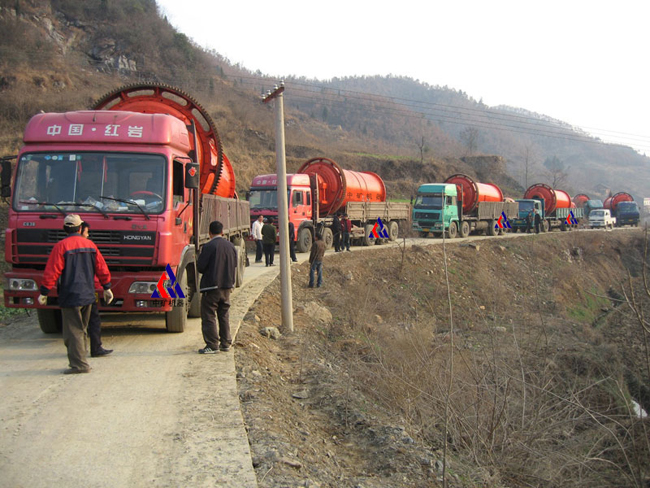
Going mobile sounds great until you have to actually move it. These units are HEAVY. We’re talking 40-60 tonnes for the mill module alone, plus the support equipment. You need to plan access roads, ground bearing pressure, and have a serious lowboy trailer and haul truck on speed dial. Setup isn’t just parking it. You need to level the unit, connect power (a hefty genset if you’re off-grid), and hook up all the feed and discharge conveyors. Allow a good 2-3 days for a competent crew to get it operational from arrival. Permitting can also be a nightmare depending on your location—check local regs for noise and dust.
Is a Ball Mill Even Your Best Bet?
Here’s the thing folks often overlook: a traditional ball mill might not be the most efficient tech for your application anymore, especially if you’re aiming for finer products. Ball mills are workhorses, but they can be energy hogs. The specific energy consumption for a 10 TPH ball mill grinding to a typical 100 mesh could be around 20-25 kWh/t. If your product specs are getting tighter or you’re processing softer materials, there might be a better way.
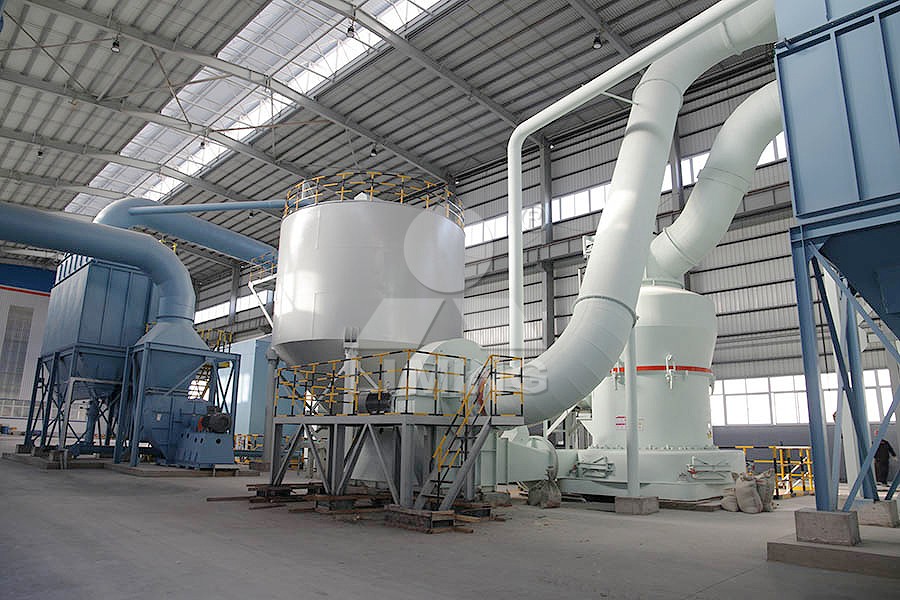
For operations requiring ultra-fine powders or dealing with lower-abrasion materials like limestone, calcite, or talc, you should seriously consider an MW Ultrafine Grinding Mill. This isn’t your grandpa’s ball mill. The MW series is designed for customers who need to make ultra-fine powder efficiently. With an input size of 0-20 mm and a capacity range that snugly fits your 10 TPH target (0.5-25 tph), it’s a perfect alternative. It’s equipped with an efficient pulse dust collector and muffler, making it way more eco-friendly than an open-circuit ball mill. The best part? It boasts 40% higher production capacity than jet mills and twice the yield of ball mills for the same power, slashing your energy consumption down to just 30% of a jet mill’s usage. Now that’s a spec that impacts your bottom line.
Why Consider a Shift?
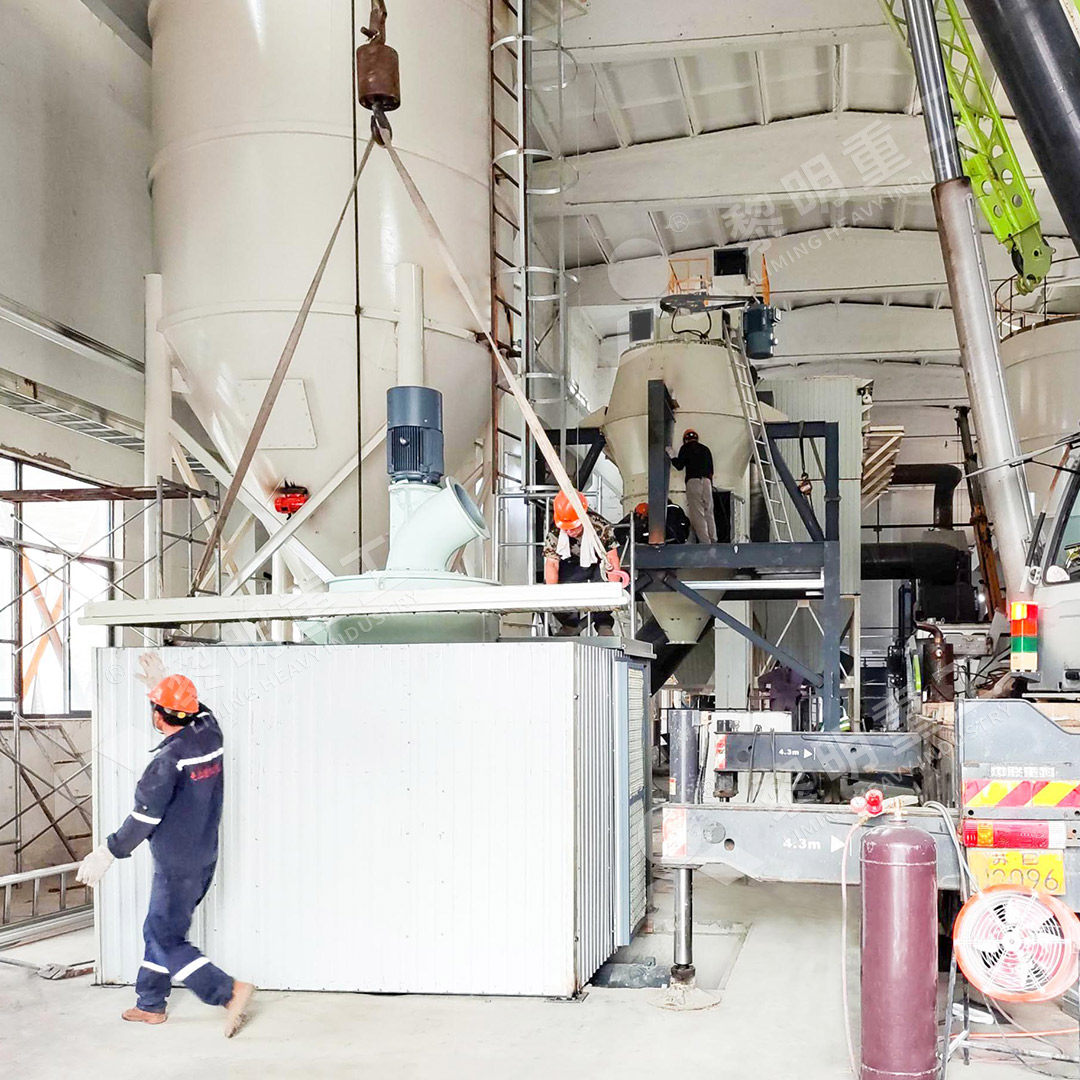
The MW Mill’s cage-type powder selector (German tech, by the way) allows you to dial in fineness between 325-2500 meshes with precision. And a huge maintenance win: no rolling bearings or screws in the grinding chamber. You eliminate the constant worry about bearing failures or loose screws causing catastrophic damage. For a mobile setup where reliability is king, this is a massive advantage. It’s a greener, smarter piece of kit that might just future-proof your operation.
Final Thoughts & Recommendation
Choosing a 10 TPH mobile grinding solution is a big decision. While a traditional mobile ball mill is a proven, brute-force option, it pays to look at modern alternatives that offer better efficiency, lower operating costs, and finer product capabilities. Carefully weigh your material characteristics, desired product size, and total cost of ownership (including power and maintenance).
If your process demands ultra-fine powders and you value energy efficiency and lower environmental impact, requesting a quote for an MW Ultrafine Grinding Mill configured into a mobile or semi-mobile package would be a very smart move. It could be the key to unlocking higher profitability without sacrificing mobility. Do your homework, talk to applications engineers, and maybe even request test runs with your material. Don’t just buy what you know; buy what’s best.