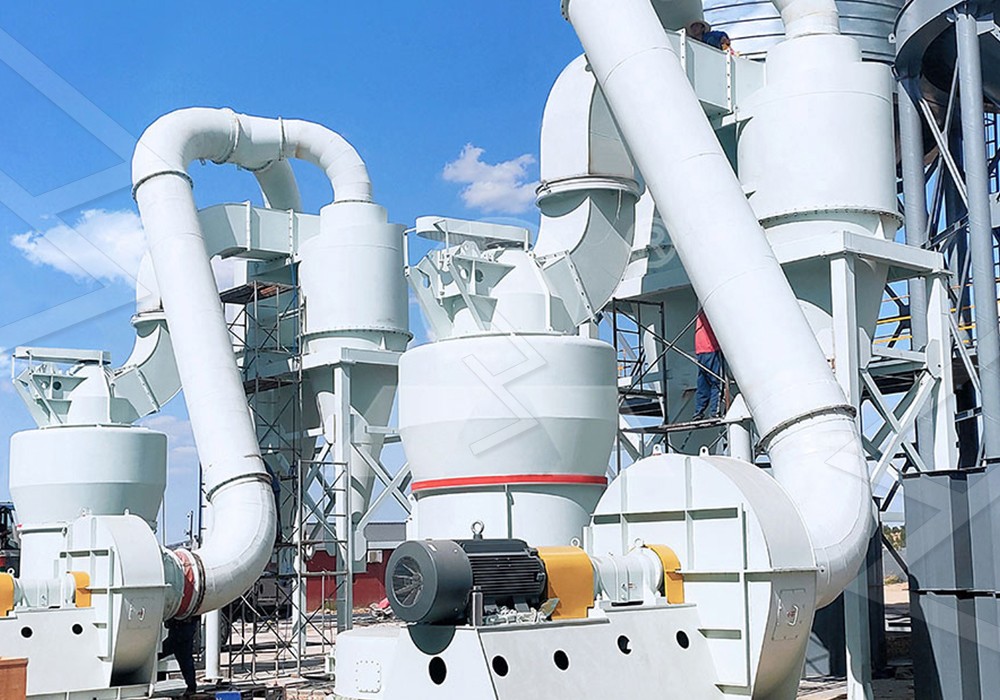
10 Ton Per Hour Kaolin Grinding Mill Production Line Setup and Cost
We provide a wide range of mills — including Raymond mill, trapezoidal mill, vertical mill, ultrafine mill, and ball mill, obtained ISO9001 international quality certification, EU CE certification, and Customs Union CU-TR certification. Suitable for processing minerals such as limestone, phosphate, quicklime, kaolin, talc, barite, bentonite, calcium carbonate, dolomite, coal, gypsum, clay, carbon black, slag, cement raw materials, cement clinker, and more.
The discharge range of these mills can be adjusted to meet specific processing needs, typically from 80-400 mesh, 600-3250 mesh, and can achieve the finest particle size of up to 6000 mesh(D50).
If you are looking for a reliable grinding solution to turn stone or minerals into fine powder, please feel free to contact our online customer service.
Setting Up a 10 TPH Kaolin Grinding Operation: Key Considerations
Establishing a reliable 10 ton per hour kaolin grinding production line requires careful planning around the raw material characteristics, desired product fineness, and overall investment goals. Kaolin, or china clay, is a soft white clay used extensively in the paper, ceramics, and cosmetics industries. Its value is directly tied to its purity and fineness, making the selection of the right grinding technology paramount.
Core Equipment: The Heart of the Grinding Line
The centerpiece of any kaolin processing line is the grinding mill. For a 10 TPH output targeting fine to ultra-fine powders (typically between 325 to 2500 meshes), traditional ball mills or Raymond mills often fall short on efficiency and product quality. The industry is increasingly moving towards more advanced, vertical grinding solutions that offer superior energy efficiency and higher yields.
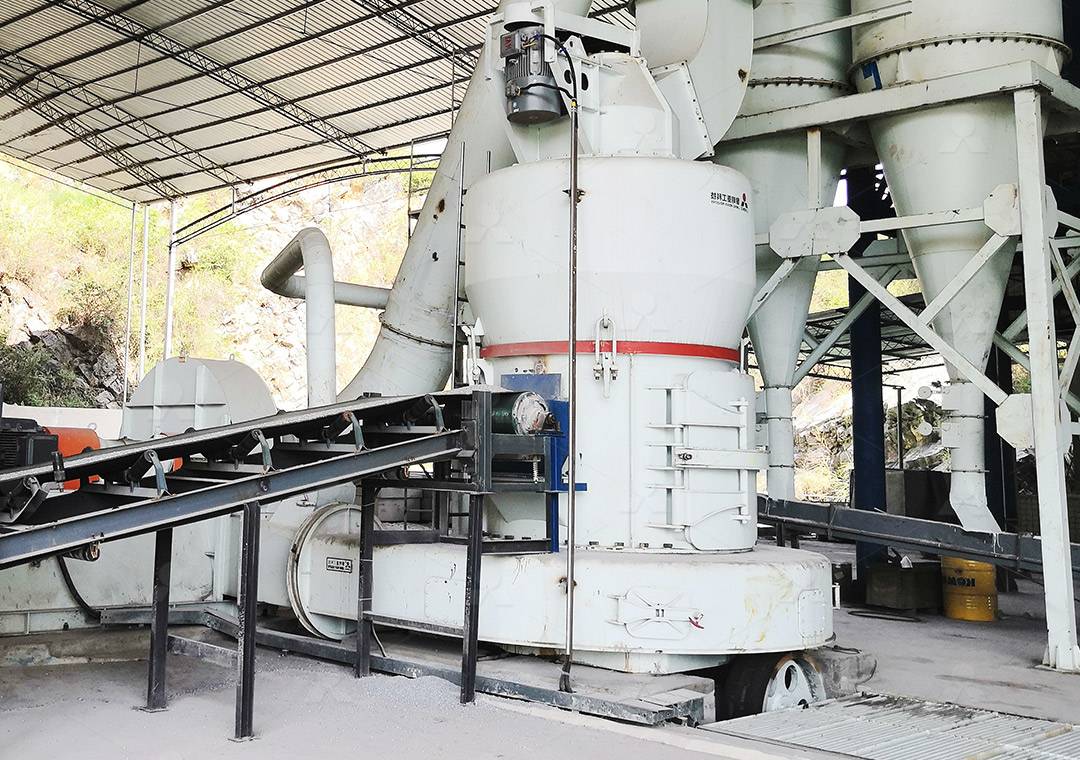
For this specific capacity, our MW Ultrafine Grinding Mill presents an exceptional solution. Engineered for customers needing to make ultra-fine powder, this machine is a standout choice. It handles an input size of 0-20mm and offers a capacity range of 0.5-25 TPH, perfectly encompassing the 10 TPH target. Its design incorporates an efficient pulse dust collector and muffler, significantly reducing dust and noise for a more environmentally friendly production process that won’t take effect on the surrounding environment.
Why Choose the MW Ultrafine Grinding Mill for Kaolin?
- Higher Yielding, Lower Energy Consumption: Its newly designed grinding curves enhance efficiency, offering production capacity 40% higher than jet mills and twice that of ball mills, while slashing system energy consumption by 70%.
- Precise Fineness Control (325-2500 meshes): A German-technology, cage-type powder selector allows for precise adjustment of product fineness, achieving a screening rate of d97≤5μm in a single pass.
- Reliable & Worry-Free Operation: With no rolling bearings or screws in the grinding chamber, users avoid common failure points. External lubrication allows for 24/7 continuous operation.
Associated Equipment and Total Line Cost
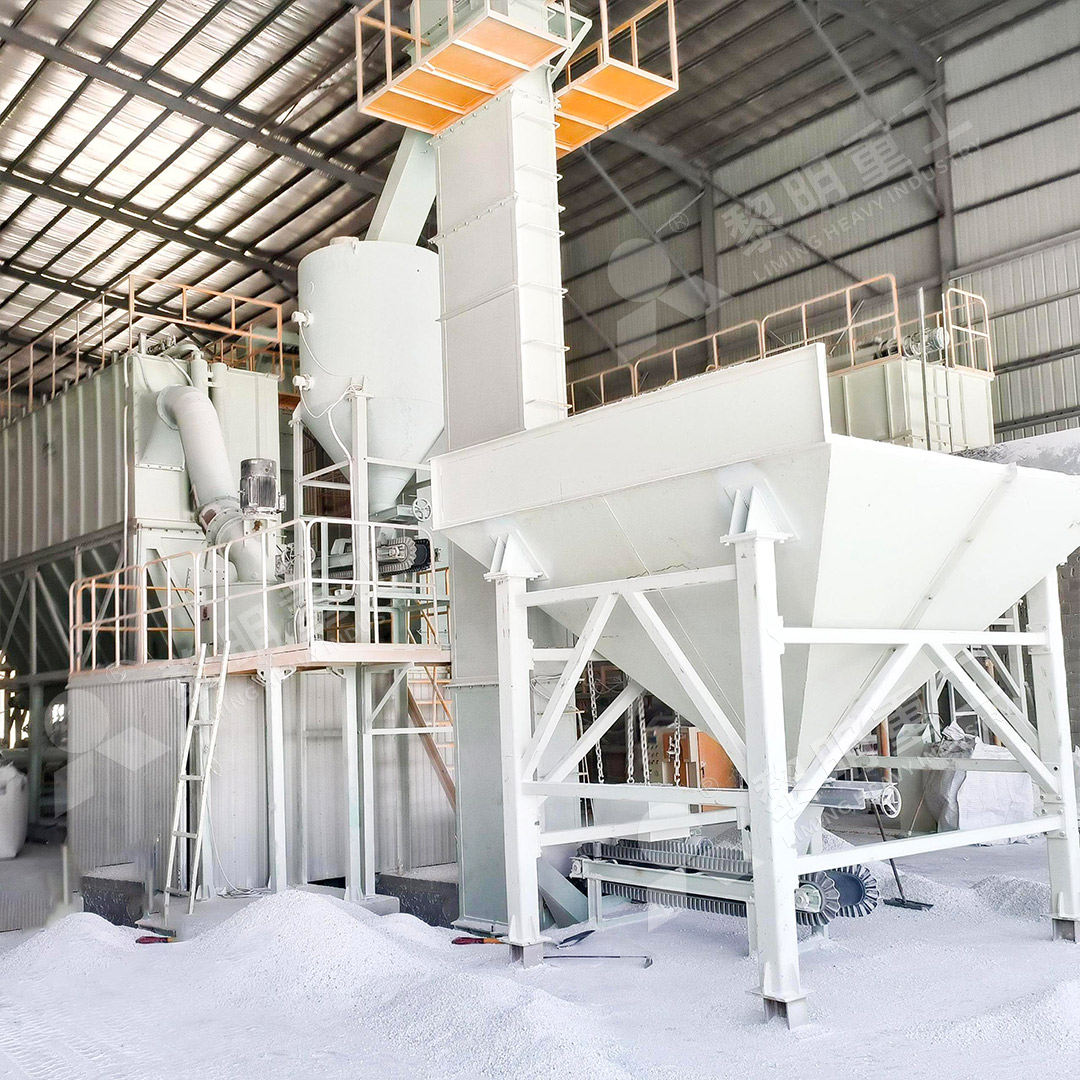
A complete line is more than just a mill. It typically includes:
- Jaw Crusher (for preliminary size reduction)
- Bucket Elevator & Vibrating Feeder
- MW Ultrafine Grinding Mill (Core Unit)
- Pulse Dust Collector
- Cyclone Powder Collector & Piping
- Electrical Control Cabinet
The total investment cost for a 10 TPH line can vary significantly based on the level of automation, auxiliary equipment chosen, and material handling requirements. A ballpark figure for a complete, functional line built around an MW Mill typically ranges from $350,000 to $650,000. This investment is quickly offset by the mill’s low operating costs, high availability, and the premium price commanded by high-quality, consistently fine kaolin powder.
Conclusion
Investing in the right technology from the start is crucial for profitability in mineral processing. For a 10 TPH kaolin grinding line, the MW Ultrafine Grinding Mill provides a compelling blend of high capacity, exceptional energy savings, and superior product quality, ensuring your operation remains competitive and sustainable for years to come. Its robust design and digitalized processing guarantee the high precision and worry-free operation necessary for continuous production environments.